Leaves

Walkoththamalli (Scoparia dulcis): Sweet Broomweed and Blood Sugar

(Scoparia dulcis) Last updated Jul 17, 2026
Walkoththamalli (Scoparia dulcis): Sweet Broomweed and Blood Sugar
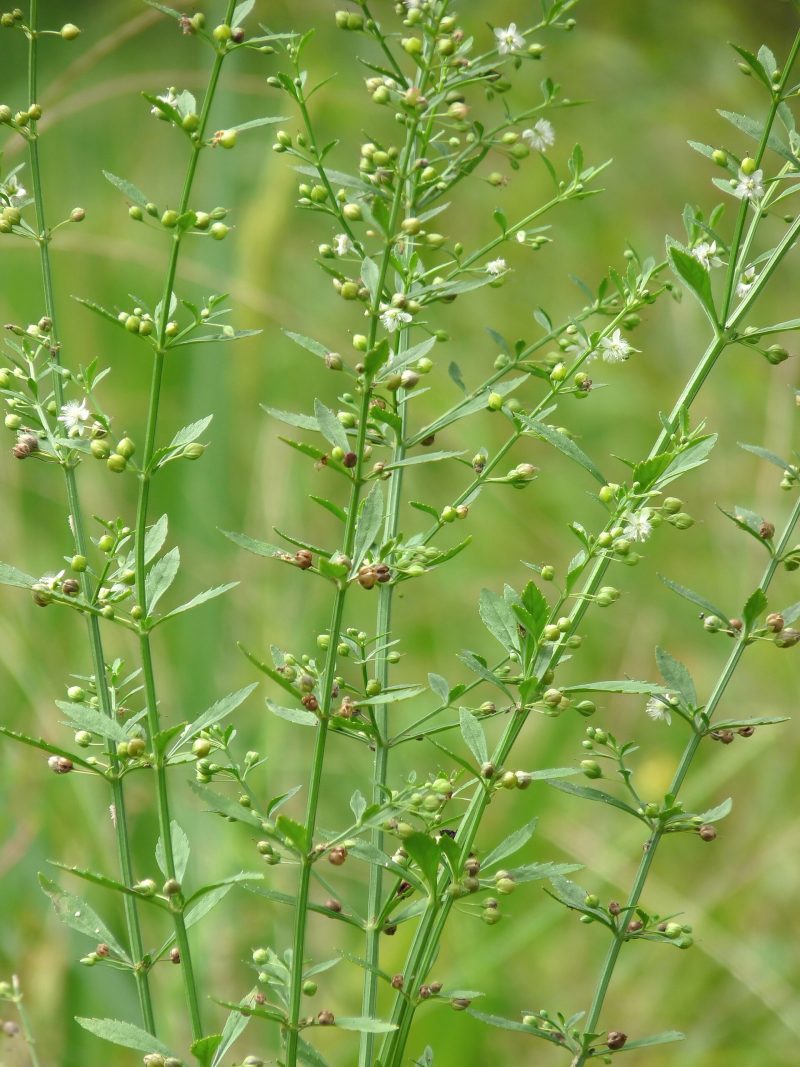
Image Credit: © 2009 Jee & Rani Nature Photography (License: CC BY-SA 4.0), CC BY-SA 4.0 <https://creativecommons.org/licenses/by-sa/4.0>, via Wikimedia Commons

Quick Facts

Sinhala Name වල් කොත්තමල්ලි
English Name Sweet Broomweed (Licorice Weed)
Scientific Name Scoparia dulcis
Plant Family Plantaginaceae
Parts Used Whole plant
Common Uses Fevers, diabetes support, cooling drink

Walkoththamalli (Scoparia dulcis) is a weed with a sweet name and a sweet taste — dulcis means sweet, and the leaves genuinely are. In Sri Lanka it is drunk as a cooling tea and, increasingly, as a diabetes remedy. That second use is where the care belongs.

Botanical and Cultural Background

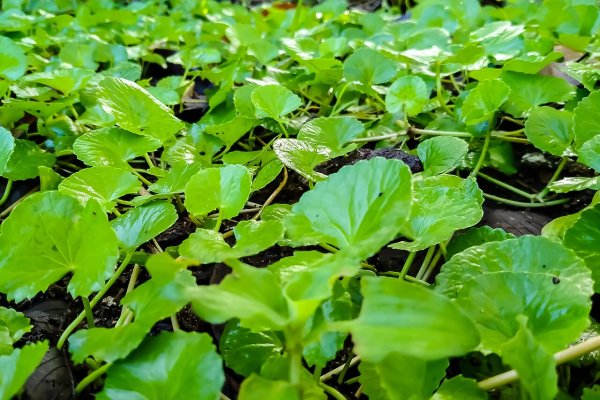
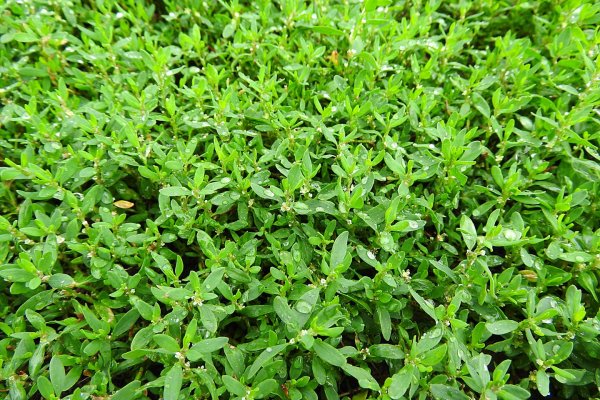
Walkoththamalli is a small erect much-branched perennial of the Plantaginaceae family — brahmi's family — with fine serrated leaves and tiny white four-petalled flowers. It grows through open ground, gardens and roadsides across the island.

Its Sinhala name means "wild coriander", after a resemblance to coriander foliage, though the two are unrelated.

Traditional Uses in Sri Lankan Medicine

Blood sugar

Its most cited modern use — leaf tea drunk daily by people managing diabetes.

Cooling and fevers

A mild infusion taken for body heat and fever.

Urinary complaints

Decoction of the whole plant used traditionally as a diuretic.

Cough

Leaves boiled with ginger and pepper for chest congestion.

What the Research Shows

Scoparia dulcis is genuinely interesting pharmacologically. It contains scoparic acids, scopadulcic acids, glutinol and the flavonoid apigenin, and research has reported antidiabetic, anti-inflammatory, antioxidant and analgesic activity — largely in animal models, with a reasonable body of work on glucose lowering specifically.

Two clarifications matter. The compound "amellin", often cited in popular accounts as its antidiabetic principle, comes from mid-twentieth-century literature and is not well characterised by modern standards — it should not be quoted as established science. And the claim that it lowers blood sugar "without causing hypoglycaemia" is both unsupported and internally contradictory, since anything that meaningfully lowers glucose can lower it too far in the wrong circumstances.

Human clinical evidence remains limited. Walkoththamalli is a plausible antidiabetic candidate with real preclinical support — not a demonstrated treatment.

How Walkoththamalli Is Prepared

Tea: Shade-dried leaves, a teaspoon brewed in hot water.

Decoction: Whole plant with roots boiled down and strained.

Cough remedy: Fresh leaves boiled with crushed ginger and black pepper.

Safety and Precautions

If you take diabetes medication, talk to your doctor before drinking this daily. Walkoththamalli lowers blood glucose, and combined with metformin, a sulphonylurea or insulin, the effects add together — which can mean hypoglycaemia. That is not a theoretical risk: low blood sugar causes confusion, collapse and, at worst, death, and it happens fastest in people who have quietly added a herbal tea to a working drug regimen without telling anyone. If you drink it, tell your doctor and monitor your levels more closely.

Never reduce or stop prescribed diabetes medication in favour of this tea. Diabetes damages eyes, kidneys and nerves silently over years, and it is not managed by how you feel.

It does not dissolve kidney stones or clear urinary infections. Stones need imaging; a UTI needs assessment and usually antibiotics, and untreated it ascends to the kidneys. Fever with urinary symptoms, flank pain or blood in the urine means see a doctor.

Avoid medicinal quantities in pregnancy and breastfeeding without advice. Because of its diuretic action, take care alongside prescription diuretics. Stop medicinal use before planned surgery given the blood sugar effect, and harvest away from roadsides and sprayed ground.

Scientific References

  • Pamunuwa, G., Karunaratne, D.N. & Waisundara, V.Y. (2016). Antidiabetic properties, bioactive constituents, and other therapeutic effects of Scoparia dulcis. Evidence-Based Complementary and Alternative Medicine, 2016, 8243215.
  • Latha, M., Pari, L., Sitasawad, S. & Bhonde, R. (2004). Insulin-secretagogue activity and cytoprotective role of the traditional antidiabetic plant Scoparia dulcis. Life Sciences, 75(16), 2003–2014.
  • Murti, K., Panchal, M., Taya, P. & Singh, R. (2012). Pharmacological properties of Scoparia dulcis: A review. Pharmacologia, 3(8), 344–347.
  • Zulfiker, A.H.M., Rahman, M.M., Hossain, M.K., et al. (2010). In vivo analgesic activity of ethanolic extracts of two medicinal plants — Scoparia dulcis L. and Ficus racemosa L. Biology and Medicine, 2(2), 42–48.
  • Jayaweera, D.M.A. (1982). Medicinal Plants (Indigenous and Exotic) Used in Ceylon. National Science Council of Sri Lanka, Colombo.

Frequently Asked Questions

Can I drink Walkoththamalli tea with my diabetes medication?

Talk to your doctor first. It lowers blood glucose, so combined with metformin, a sulphonylurea or insulin the effects add together — which can mean hypoglycaemia. That's not theoretical: low blood sugar causes confusion, collapse and at worst death, and it happens fastest in people who quietly add a herbal tea to a working drug regimen without telling anyone.

Does Walkoththamalli lower blood sugar without causing hypoglycaemia?

That claim is unsupported and internally contradictory — anything that meaningfully lowers glucose can lower it too far in the wrong circumstances. It's a plausible antidiabetic candidate with real preclinical support, not a demonstrated treatment, and it must never replace prescribed medication.

What is "amellin"?

It's often cited in popular accounts as walkoththamalli's antidiabetic principle, but it comes from mid-twentieth-century literature and isn't well characterised by modern standards. It shouldn't be quoted as established science. The better-studied constituents are scoparic and scopadulcic acids and apigenin.

Does it dissolve kidney stones?

No. Stones need imaging and medical assessment, and a urinary infection needs antibiotics — untreated it ascends to the kidneys. Fever with urinary symptoms, flank pain or blood in the urine means see a doctor.

Medical Disclaimer The information on this page is for educational purposes only and is not a substitute for professional medical advice, diagnosis, or treatment. Always consult a qualified physician or Ayurvedic practitioner before using any herbal remedy, especially if you are pregnant, nursing, taking medication, or have a medical condition. Read our full disclaimer
Nishnath Thaweesha

Edited by Nishnath Thaweesha

I am deeply connected to nature, animals, and wildlife. Exploring the healing power of the natural world and traditional herbal wisdom is my lifelong passion. As a Human-in-the-Loop (HITL) Editor, I rigorously fact-check, curate, and verify all botanical content against scientific journals to ensure the highest standards of accuracy and trust.


Comments (0)

Leave a Comment