If there is one remedy every Sri Lankan household reaches for at the first sign of a fever, it is koththamalli. Made from the dried seeds of Coriandrum sativum, this warm, fragrant decoction is so embedded in local life that the word itself has become shorthand for "the drink you make when someone falls ill".
Botanical and Cultural Background
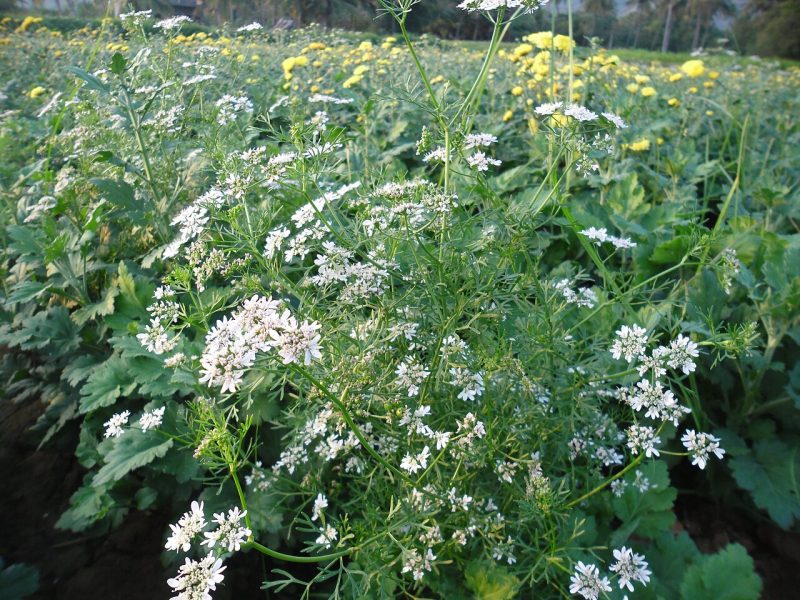
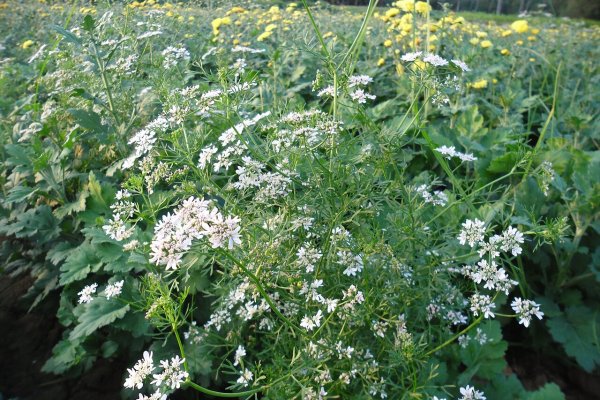
Coriander is a soft annual herb of the Apiaceae family, the same family as fennel, cumin and dill. It grows to around half a metre and produces small white or pale pink flowers in flat-topped umbels. What we call the "seed" is botanically the dried fruit, containing two joined halves.
Sri Lanka makes a clear distinction between the two parts of this plant. The fresh leaves are a culinary herb, while the dried seed is treated as medicine. Koththamalli is often combined with other herbs — a piece of crushed ginger, a stick of rasakinda, or a few pathpadagam stalks — and the resulting drink is the country's default first response to fever and chills.
Traditional Uses in Sri Lankan Medicine
Fevers, colds and flu
This is koththamalli's defining role. A decoction of roasted seeds is taken warm at the onset of fever, chills or a runny nose. Traditionally it is understood to encourage sweating and help the body "break" a fever.
Digestion
Coriander seed is a classic carminative, used for bloating, gas and general indigestion. It is a standard component of Sri Lankan curry powders partly for this reason.
Cooling and urinary comfort
Seeds soaked overnight in water produce a cooling drink used traditionally for excess body heat and burning during urination.
What the Research Shows
Coriander is among the better-studied culinary herbs. Its essential oil is dominated by linalool, and researchers have investigated antimicrobial, antioxidant, anti-inflammatory and anxiolytic activity, along with effects on blood glucose and lipids in animal models. Reviews of Coriandrum sativum summarise this work and its potential in functional foods.
What this research does not show is that koththamalli treats the infection causing a fever. There are no robust human trials demonstrating that it shortens illness or clears a virus. Its value is best understood as comfort, warmth and hydration during a febrile illness — genuinely useful, but not a cure.
How Koththamalli Is Prepared
Koththamalli tea (fever): Dry-roast a handful of whole coriander seeds until fragrant, then boil in water with a piece of crushed ginger until the liquid darkens and reduces. Strain and drink warm, sweetened with a little bee honey or jaggery if desired.
Cooling coriander water: Soak a teaspoon of lightly crushed seeds in a glass of water overnight, strain, and drink in the morning.
Traditional practice often adds rasakinda, pathpadagam or iramusu to the fever decoction, depending on the presentation of the illness.
Safety and Precautions
Fever in Sri Lanka deserves particular caution. Dengue is endemic here, and a fever treated at home with koththamalli alone can delay a diagnosis that matters. Seek medical attention if a fever lasts more than two days, or at any point if there is severe headache, pain behind the eyes, joint or muscle pain, vomiting, a rash, bleeding gums, or abdominal pain. Never rely on a herbal decoction to manage a fever that is not clearly settling.
Coriander seed used as a food or a household drink is well tolerated by most people, including children. True coriander allergy exists but is uncommon. Because coriander may lower blood glucose, people taking diabetes medication should be aware of the possibility of an additive effect when consuming it in large medicinal quantities. In pregnancy, coriander as a culinary spice and an occasional drink is generally regarded as fine; concentrated medicinal quantities are better discussed with a doctor or an Ayurvedic practitioner.



Comments (0)
Leave a Comment