.jpg)
Nutmeg (Myristica fragrans) is a rare thing among kitchen spices: one where the difference between a pleasant remedy and a poisoning is a matter of teaspoons. Sadikka is genuinely valuable and genuinely sedating, and it is also the only spice in an ordinary Sri Lankan kitchen that regularly puts people in emergency departments.
Botanical and Cultural Background
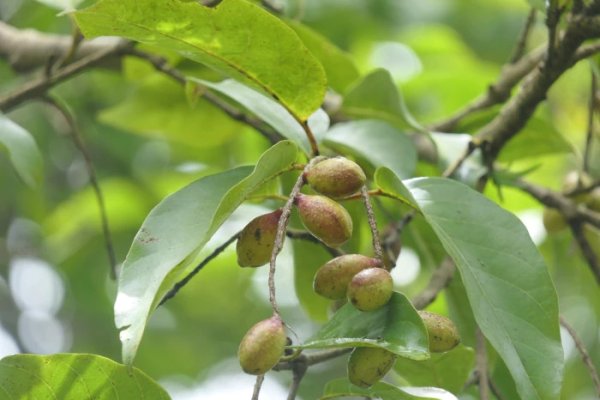
Nutmeg comes from a tropical evergreen of the Myristicaceae family. Its fruit splits to reveal a single brown seed — the nutmeg — wrapped in a lacy scarlet aril, which is mace, known here as vasavasi. One tree yields two distinct spices.
Grown in Sri Lanka's wet zone hills, nutmeg is used in curries, sweets and traditional preparations, and a pinch in warm milk at night is a familiar household remedy for sleeplessness.
Traditional Uses in Sri Lankan Medicine
Sleep
Its best-known use — a small pinch of freshly grated nutmeg in warm milk before bed.
Digestion
Used traditionally for loose stools, cramping and flatulence; nutmeg is astringent and carminative.
Pain, applied externally
Nutmeg oil diluted in coconut oil and massaged into aching joints and muscles.
What the Research Shows
Nutmeg's chemistry is well characterised. Its volatile oil contains myristicin, elemicin and safrole, along with lignans such as macelignan. Laboratory studies report antimicrobial, anti-inflammatory, antioxidant and neuroprotective activity, and animal work supports a sedative effect.
Myristicin is also why nutmeg is dangerous. It is psychoactive, and nutmeg poisoning is a well-documented clinical entity rather than folklore. Doses in the region of one to two teaspoons upward — sometimes taken deliberately for intoxication — produce an unpleasant syndrome of hallucinations, agitation, confusion, flushing, dry mouth, rapid heartbeat, nausea and dizziness that can persist for a day or two. Cases appear regularly in the toxicology literature, and fatalities, though rare, have been reported.
The gap between a culinary pinch and a toxic dose is real but not enormous, and that is the whole point: nutmeg rewards measurement.
How Sadikka Is Prepared
For sleep: A small pinch — well under an eighth of a teaspoon — of freshly grated nutmeg stirred into warm milk, taken about half an hour before bed.
For digestion: A tiny pinch of powder with honey.
Topically: A few drops of nutmeg oil well diluted in coconut oil, massaged in.
Grate it fresh. Note that quantities here are pinches; nutmeg is never taken by the spoon.
Safety and Precautions
Never give nutmeg to a baby or young child. The traditional practice of giving nutmeg for infant sleep or colic is one to abandon: children are far more sensitive to myristicin than adults, and poisoning has been reported in small children from quantities an adult would tolerate. Keep whole nutmegs and nutmeg oil out of reach.
Avoid nutmeg in medicinal quantities in pregnancy. Large doses have traditional use as an abortifacient and are best avoided entirely; culinary amounts in food are not a concern.
Keep to pinches. If someone has taken a large amount and becomes confused, agitated, hallucinating, flushed or has a racing heart, take them to hospital and say what was swallowed — the effects are frightening but generally resolve with supportive care, and it is far better assessed than waited out at home.
Nutmeg oil must never be swallowed. Because of possible sedative effects, tell your doctor if you take sedatives or psychiatric medication, and stop medicinal use before surgery. Nutmeg may interact with a range of medicines through liver enzymes; keep your doctor informed if you use it regularly.

Comments (0)
Leave a Comment