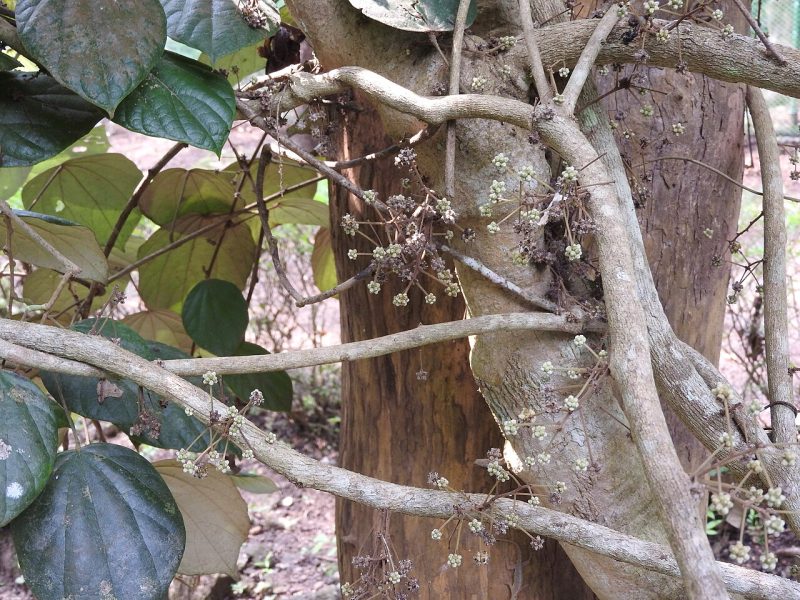
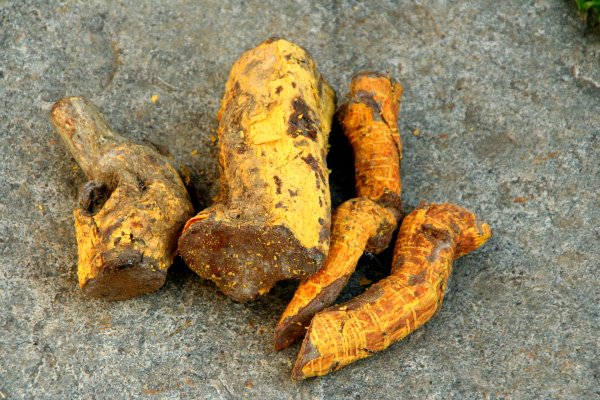
Cut a stem of weniwelgeta (Coscinium fenestratum) and the inside is an astonishing sulphur yellow. That colour is the plant's signature, and it comes from berberine — a genuine, well-characterised plant alkaloid that has made this woody climber one of the most valued antiseptic herbs in Sri Lankan indigenous medicine.
Botanical and Cultural Background
Weniwelgeta is a large woody liana of the Menispermaceae family, climbing high into the canopy of wet and intermediate zone forests. The medicinal part is the stem, cut into pieces and dried, retaining its brilliant yellow colour.
This plant is under serious pressure. Coscinium fenestratum is classified as threatened, its wild populations depleted by decades of harvesting, and it is subject to protection in Sri Lanka. It grows slowly and is difficult to propagate. If you use weniwelgeta, source it from a licensed, cultivated supplier — this is a herb where careless demand is driving a native species toward loss.
Traditional Uses in Sri Lankan Medicine
Fevers and body aches
A bitter decoction of the stem, usually with ginger and coriander, is a traditional remedy for viral fever, chills and the deep muscular aching that accompanies them.
Wound washing
The cooled yellow decoction is used traditionally as an antiseptic wash for cuts, wounds and skin infections — probably its most defensible use, given berberine's known antimicrobial activity.
Digestion
Its bitterness is used traditionally to stimulate appetite and digestion.
What the Research Shows
Berberine, weniwelgeta's principal alkaloid, is one of the better-studied plant compounds in the world. Research across berberine-containing plants has examined antimicrobial, anti-inflammatory, antidiabetic and lipid-lowering effects, with some human trial data on metabolic outcomes. Studies specific to Coscinium fenestratum have investigated antimicrobial, antioxidant and antidiabetic activity in laboratory and animal models.
The antiseptic tradition here has a plausible basis: berberine does have measurable antibacterial activity in the laboratory. What that does not establish is that a home-brewed decoction reliably prevents an infection taking hold in a wound in a living person.
How Weniwelgeta Is Prepared
Decoction: Pieces of dried yellow stem are boiled in water, often with ginger and coriander seed, and the bitter liquid drunk warm.
Antiseptic wash: The same decoction, cooled, used externally to clean wounds.
Safety and Precautions
Weniwelgeta does not prevent tetanus, and believing that it does can kill you. This needs saying directly, because the belief is widespread: drinking weniwelgeta after stepping on a nail is a well-known village practice. Tetanus is caused by a toxin from Clostridium tetani, it is fatal in a substantial proportion of cases even with modern intensive care, and the only reliable protection is vaccination. If you sustain a dirty or penetrating wound — a nail, a bite, soil-contaminated cut — go to a clinic, get the wound cleaned properly, and check whether you need a tetanus booster or immunoglobulin. Clean the wound with soap and clean water in the meantime. A herbal decoction is not a substitute for a tetanus vaccine, and no traditional practice changes that.
Berberine-containing herbs carry specific contraindications. Weniwelgeta must not be given to newborns or used during pregnancy or breastfeeding: berberine can displace bilirubin and has been linked to a risk of kernicterus (a form of brain damage) in infants. It may also interact with a range of medicines, since berberine affects drug-metabolising enzymes — tell your doctor if you take prescription medication.
Short-term use during an illness is the traditional pattern; prolonged daily use without supervision is not advised. As always, a fever that persists beyond two days, or comes with warning signs, needs medical assessment — dengue is endemic in Sri Lanka.

Comments (0)
Leave a Comment