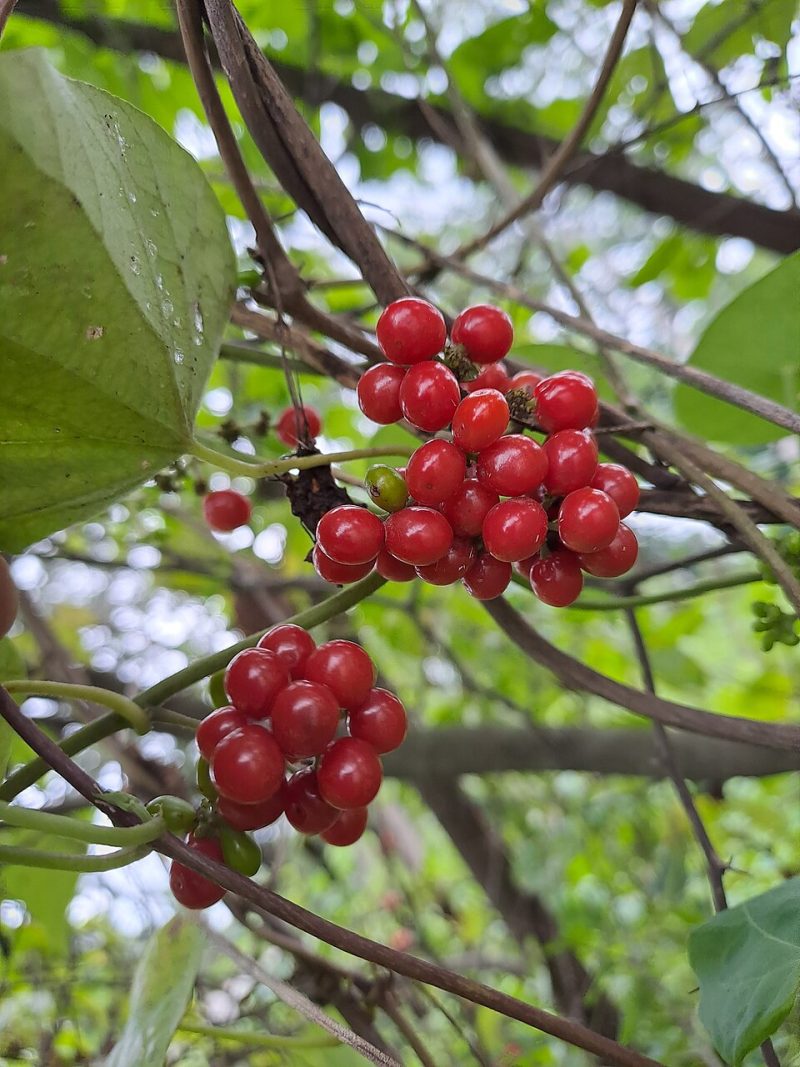
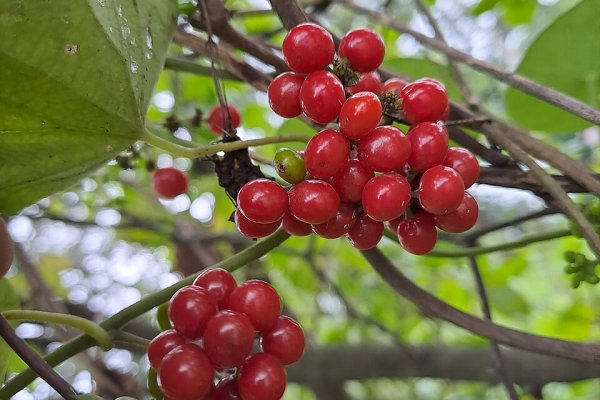
Rasakinda (Tinospora cordifolia) is called amrita in Sanskrit — the nectar of immortality — and few herbs are held in higher regard across South Asia. It is also, as of the last few years, one of the few traditional herbs with a documented signal for causing liver injury. Both things are true at once, and anyone reaching for rasakinda deserves both halves of the picture.
Botanical and Cultural Background
Rasakinda is a large deciduous climbing vine of the Menispermaceae family, with heart-shaped leaves and characteristic corky, warty stems that send down long aerial roots. It is famously hardy — a cut piece will root and grow, which is part of how it earned its reputation for vitality.
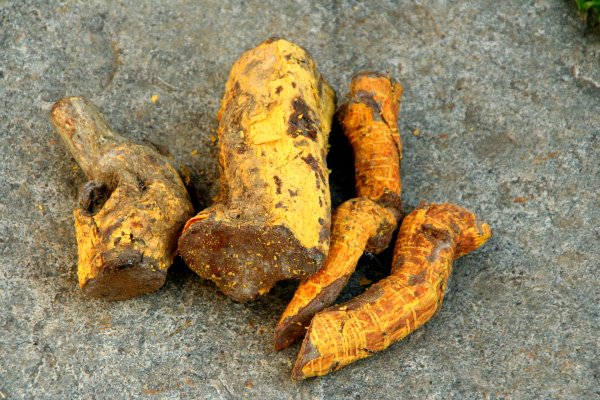
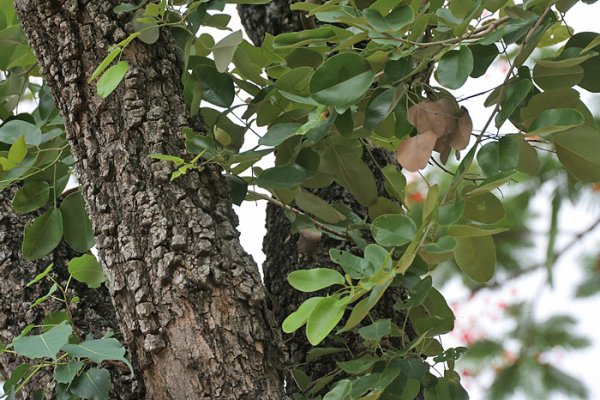
The vine is traditionally said to take on the properties of the tree it climbs, and rasakinda grown on a neem tree is considered especially potent. The medicinal part is the fleshy stem.
Traditional Uses in Sri Lankan Medicine
Immunity and recurring illness
Its central use. Rasakinda is the classic Sri Lankan rasayana for someone who falls ill repeatedly or is slow to recover.
Fevers
A stem decoction is a traditional remedy for prolonged and recurring fever.
Joint complaints
Used traditionally for joint pain and swelling, often in compound formulations.
As a bitter tonic
The intensely bitter decoction is used to stimulate appetite and digestion.
What the Research Shows
Tinospora cordifolia is genuinely well studied. Research has identified alkaloids, diterpenoid lactones, glycosides and polysaccharides including arabinogalactan, and has examined immunomodulatory, anti-inflammatory, antioxidant and antidiabetic activity — mostly in laboratory and animal models, with some small human studies. The immunomodulatory work is the most substantial part of the literature.
The liver findings have to be stated clearly, because they invert a traditional claim. Rasakinda is traditionally described as protecting the liver and treating jaundice. However, during the COVID-19 period, when Tinospora ("Giloy") was consumed very widely across South Asia, clinicians in India published a case series of patients who developed severe autoimmune-like hepatitis associated with its use, and further reports followed. Herb-induced liver injury from Tinospora is now a recognised entity in the hepatology literature.
This does not mean rasakinda poisons everyone who drinks it — millions have used it without apparent harm, and the reports are relatively rare against that background. It does mean the confident traditional claim that it heals the liver cannot be repeated as fact, and that liver symptoms during use are a reason to stop and get tested rather than to take more.
How Rasakinda Is Prepared
Decoction: A thumb-sized piece of fresh stem, crushed and boiled in two cups of water reduced to one, taken warm.
Powder: The dried stem ground and taken in small quantities.
Rasakinda is extremely bitter. This is expected and, in traditional terms, part of how it is understood to work.
Safety and Precautions
Rasakinda does not treat dengue or malaria, and using it as though it does can kill. This needs to be unambiguous. Dengue is endemic in Sri Lanka and kills people every year. Its danger is not the fever but plasma leakage and shock, which develop around the time the fever falls — which is precisely when someone treating themselves at home may believe they are recovering. Falling platelets require hospital monitoring, not a decoction. Malaria requires prompt diagnosis and antimalarial drugs; delay is measured in lives. No herb, and no combination of rasakinda and papaya leaf, is a substitute for testing and medical care. If you have fever lasting more than two days, or any warning sign — severe headache, pain behind the eyes, vomiting, rash, bleeding gums, abdominal pain — go to a doctor.
Stop rasakinda and see a doctor if you develop yellowing of the eyes or skin, dark urine, unusual fatigue, nausea or right-sided abdominal pain. These are the signs of liver injury reported in the published cases. People with existing liver disease, or taking other medicines that affect the liver, should not take rasakinda without medical advice, and long-term uninterrupted use is not advisable.
Because rasakinda stimulates immune activity, it is not recommended for people with autoimmune conditions such as rheumatoid arthritis, lupus or psoriasis, or for anyone on immunosuppressant medication — including after an organ transplant. It may lower blood glucose, so people on diabetes medication should be aware of an additive effect. Avoid it in pregnancy and breastfeeding without professional advice, and stop it before planned surgery.

Comments (0)
Leave a Comment