Bark & Wood

Rath Handun (Pterocarpus santalinus): Red Sandalwood, and Why It Is Smuggled

(Pterocarpus santalinus) Last updated Jul 17, 2026
Rath Handun (Pterocarpus santalinus): Red Sandalwood, and Why It Is Smuggled
Image Credit: J.M.Garg, CC BY-SA 4.0 <https://creativecommons.org/licenses/by-sa/4.0>, via Wikimedia Commons

Quick Facts

Sinhala Name රත් හඳුන්
English Name Red Sandalwood
Scientific Name Pterocarpus santalinus
Plant Family Fabaceae
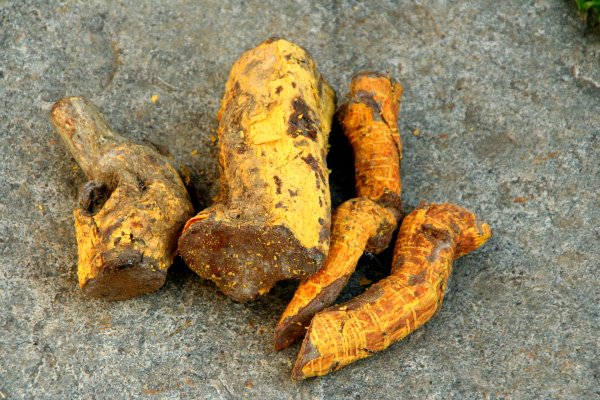
Parts Used Heartwood
Common Uses Skin brightening, cooling paste, acne

Rath Handun (Pterocarpus santalinus) is ground on a stone into a deep red paste and smoothed onto skin — a cooling, quieting ritual that has been performed here for centuries. It is also one of the most trafficked timbers on earth, and the powder sold under its name is very often not it.

Botanical and Cultural Background

Red sandalwood is a small tree of the Fabaceae family with a heartwood of extraordinary deep red. Unlike white sandalwood it is not aromatic — its value is colour and pharmacology, not scent. It is native to a small area of southern India and grown in Sri Lanka.

The tree is in serious trouble. Pterocarpus santalinus is listed on CITES Appendix II and is classified as threatened on the IUCN Red List, and its wood commands such prices in the East Asian furniture and instrument trade that smuggling is organised, violent and persistent. This is not background colour; it is the single most important thing to know before buying it.

Traditional Uses in Sri Lankan Medicine

Skin and complexion

Its main use — the paste applied for acne, pigmentation, sun damage and blemishes.

Cooling

Applied to the forehead for heat and headache.

Inflamed skin

Used on rashes, bites and irritation, often with aloe.

What the Research Shows

Studies report that Pterocarpus santalinus heartwood contains polyphenols, flavonoids and triterpenes, with antioxidant, anti-inflammatory and antimicrobial activity in laboratory models — consistent with its traditional dermatological use. Human clinical evidence is absent, and the claim that it is the most effective Ayurvedic remedy for acne is not something evidence can support.

Acne is worth a realistic word. It is common, it is not caused by dirt, and it has genuinely effective medical treatments. A cooling red paste may soothe skin and feels pleasant; moderate to severe acne — the kind that scars — deserves a doctor, because scarring is permanent and preventable.

How Rath Handun Is Used

Face pack: A piece ground on a wet stone with water or rose water into a thick paste, applied, allowed to dry, washed off.

Cooling poultice: Powder mixed with aloe gel for sunburn or inflamed skin.

Safety and Precautions

External use is well tolerated on most skin. Patch test first if your skin is sensitive, and note that the pigment stains cloth permanently.

Buy it carefully or not at all. Because genuine red sandalwood is scarce, protected and expensive, the powder sold cheaply in markets is frequently something else — other red woods, or wood dyed with synthetic colourants, some of which are not things you want on your face. If you buy it, buy from a supplier who can account for its origin, and treat a suspiciously cheap price as information. Given CITES protection and the state of wild populations, thinking twice about whether you need it at all is a reasonable response.

This is an external remedy. Do not take it internally without a qualified practitioner's guidance, and avoid medicinal internal use in pregnancy.

Scientific References

  • Bulle, S., Reddyvari, H., Nallanchakravarthula, V. & Vaddi, D.R. (2016). Therapeutic potential of Pterocarpus santalinus L.: An update. Pharmacognosy Reviews, 10(19), 43–49.
  • Arunakumara, K.K.I.U., Walpola, B.C., Subasinghe, S. & Yoon, M.H. (2011). Pterocarpus santalinus Linn. f. (Rath handun): A review of its botany, uses, phytochemistry and pharmacology. Journal of the Korean Society for Applied Biological Chemistry, 54(4), 495–500.
  • CITES — Appendix II listing for Pterocarpus santalinus.
  • IUCN Red List of Threatened Species — Pterocarpus santalinus.
  • Jayaweera, D.M.A. (1982). Medicinal Plants (Indigenous and Exotic) Used in Ceylon. National Science Council of Sri Lanka, Colombo.

Frequently Asked Questions

Is red sandalwood endangered?

Yes, and it's the most important thing to know before buying. Pterocarpus santalinus is listed on CITES Appendix II and classified as threatened on the IUCN Red List. Its wood commands such prices in the East Asian furniture and instrument trade that smuggling is organised, violent and persistent.

How do I know if the red sandalwood I'm buying is genuine?

Often you can't, and much of what's sold isn't. Because genuine rath handun is scarce, protected and expensive, cheap market powder is frequently other red woods or wood dyed with synthetic colourants — not things you want on your face. Buy from a supplier who can account for its origin, and treat a suspiciously cheap price as information.

Is rath handun the best treatment for acne?

There's no evidence for that claim. A cooling red paste may soothe skin and feels pleasant, but acne has genuinely effective medical treatments — and moderate to severe acne, the kind that scars, deserves a doctor, because scarring is permanent and preventable.

What's the difference between red and white sandalwood?

They're unrelated trees. White sandalwood (Santalum album) is prized for its aroma; red sandalwood (Pterocarpus santalinus) has almost no scent — its value is its deep red colour and its pharmacology.

Medical Disclaimer The information on this page is for educational purposes only and is not a substitute for professional medical advice, diagnosis, or treatment. Always consult a qualified physician or Ayurvedic practitioner before using any herbal remedy, especially if you are pregnant, nursing, taking medication, or have a medical condition. Read our full disclaimer
Nishnath Thaweesha

Edited by Nishnath Thaweesha

I am deeply connected to nature, animals, and wildlife. Exploring the healing power of the natural world and traditional herbal wisdom is my lifelong passion. As a Human-in-the-Loop (HITL) Editor, I rigorously fact-check, curate, and verify all botanical content against scientific journals to ensure the highest standards of accuracy and trust.


Comments (0)

Leave a Comment