_in_Hyderabad,_AP_W_IMG_0025.jpg)
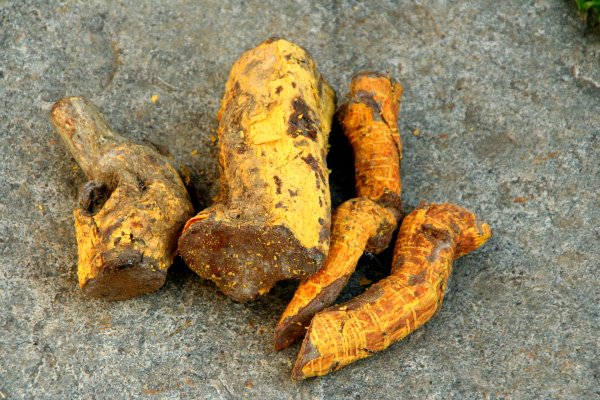
Sudu Handun (Santalum album) needs no introduction by smell — one whiff of the ground paste explains why this wood has been carried across Asia for three thousand years, into temples, skincare and grief rituals alike. It is also a vulnerable species, and most "sandalwood" sold today contains little or none of it.
Botanical and Cultural Background
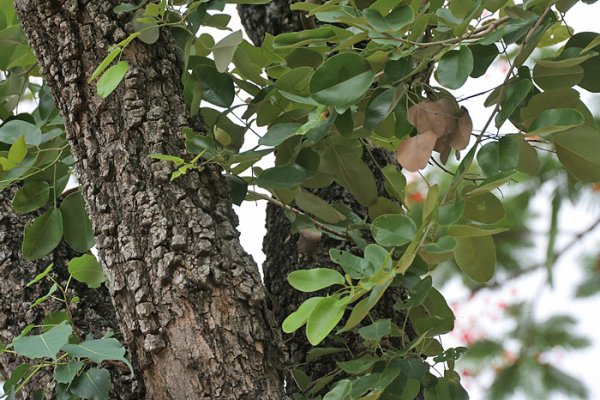
White sandalwood is a small evergreen of the Santalaceae family and — unusually — a hemiparasite: it draws nutrients through its roots from neighbouring plants, which is why it resists easy plantation cultivation. Its fragrant heartwood takes decades to develop, and that slowness is at the root of its scarcity.
Santalum album is classified as Vulnerable on the IUCN Red List. Wild populations have been heavily depleted, its trade is tightly regulated in India, and genuine sandalwood oil is among the most expensive essential oils in the world — which tells you a good deal about what a cheap bottle labelled sandalwood actually contains.
Traditional Uses in Sri Lankan Medicine
Skin
Its main use — paste applied for acne, blemishes and dark spots.
Cooling
Applied to the forehead for fever, headache and heat.
Calm
The scent used to settle the mind — one of the oldest recorded uses of any aroma.
Ritual
Sandalwood's ceremonial and religious role in Sri Lanka is inseparable from its medicinal one.
What the Research Shows
Sandalwood's characteristic aroma and much of its activity come from alpha-santalol and beta-santalol. Laboratory studies report anti-inflammatory, antimicrobial and antioxidant activity, and there is some research interest in santalol's effects on skin and on mood. Human clinical evidence is limited, and claims that clinical studies have demonstrated efficacy for skin conditions overstate what exists.
For anxiety, the honest position is that sandalwood is a pleasant, calming aroma with modest supporting research — which is a perfectly good thing to be.
How Sudu Handun Is Used
Face pack: Powder mixed with rose water or milk into a paste, applied for fifteen minutes.
Cooling application: Wood ground on a wet stone, paste applied to the forehead.
Aromatherapy: A few drops of oil in a diffuser.
Safety and Precautions
Topical sandalwood paste is well tolerated on most skin; patch test if sensitive.
Assume adulteration. Given the price of genuine Santalum album, inexpensive sandalwood powder and oil are very often adulterated — with other woods, with Australian sandalwood, or with synthetic fragrance compounds. Some adulterants cause contact dermatitis, and sandalwood is a recognised cause of allergic contact dermatitis in its own right, more often from perfumed products than from the wood. If a sandalwood product is cheap, that is telling you something.
Sandalwood essential oil must be diluted in a carrier oil before it touches skin and should not be swallowed — oral sandalwood oil has been associated with kidney irritation. Keep it away from children. Avoid medicinal internal use in pregnancy.
Given its Vulnerable status, buying genuine sandalwood is worth doing deliberately: from suppliers who can document legal, cultivated sourcing, and sparingly.

Comments (0)
Leave a Comment