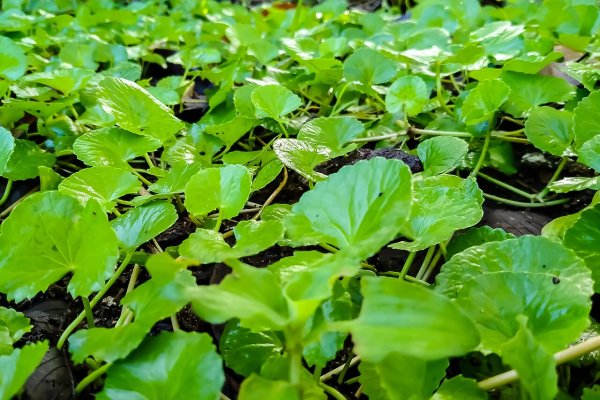
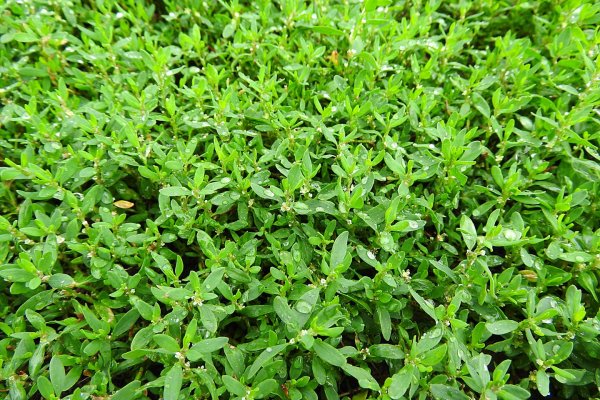
Leaves

Wathusudda (Tabernaemontana divaricata): Crape Jasmine, and the Eye Warning

(Tabernaemontana divaricata) Last updated Jul 17, 2026
Wathusudda (Tabernaemontana divaricata): Crape Jasmine, and the Eye Warning
Image Credit: Mokkie, CC BY-SA 3.0 <https://creativecommons.org/licenses/by-sa/3.0>, via Wikimedia Commons

Quick Facts

Sinhala Name වතුසුද්ද
English Name Crape Jasmine (Pinwheel Flower)
Scientific Name Tabernaemontana divaricata
Plant Family Apocynaceae
Parts Used Root, leaves, flowers
Common Uses Eye ailments, skin conditions, fragrance

Wathusudda (Tabernaemontana divaricata) stands in more Sri Lankan gardens than almost any other shrub — glossy leaves, pinwheel white flowers, blooming year round. Its traditional reputation is for eye complaints, and that is precisely the use this page exists to argue against.

Botanical and Cultural Background

Wathusudda is an evergreen shrub of the Apocynaceae family — the dogbane family. That fact deserves emphasis: it is the same family as wara and oleander, and it is notorious for toxic alkaloids and irritant latex. Break a wathusudda stem and it bleeds white, just as wara does.

It is grown ornamentally and for temple offerings, and is admired far more than it is understood.

Traditional Uses in Sri Lankan Medicine

Toothache

Root chewed, or a trace of latex applied to a cavity, to numb pain.

Skin and boils

Leaf poultice applied to draw boils; latex applied to minor lesions.

Joint pain

Warmed oiled leaves bound over swollen joints — the plant's most defensible use.

Eye complaints

Flower or latex preparations used traditionally as eye drops. See below.

What the Research Shows

Tabernaemontana divaricata contains indole alkaloids — coronaridine, voacangine, tabernaemontanine and others — and laboratory studies report analgesic, anti-inflammatory, antimicrobial and cholinesterase-inhibiting activity. The alkaloid chemistry is genuinely interesting to researchers.

It is also the reason for caution. Indole alkaloids of this family are pharmacologically potent and toxic in excess, and there is no human clinical evidence for any traditional use here.

How Wathusudda Is Used

Joint poultice: Leaves lightly oiled, warmed over a flame, bound over the joint.

Boils: Crushed leaf paste applied and covered.

Wash your hands after handling it, and keep the latex off broken skin.

Safety and Precautions

Never put wathusudda latex, flower extract or any preparation of this plant into an eye. This is the entire point of the page, and it holds even though tradition says otherwise and even though some traditional eye specialists claim expertise in it. This plant is in the same family as wara, whose latex is a documented cause of corneal injury and painful keratitis filling eye clinics across Sri Lanka and India. The cornea is transparent living tissue with no blood supply and very little tolerance — damage it and vision does not simply grow back. Non-sterile plant preparations also introduce infection into an eye that may already be infected, and corneal ulcers can destroy sight in days.

Conjunctivitis, styes and eye irritation have safe, cheap, effective treatments, and an eye doctor can see the front of your eye under magnification in about a minute. There is nothing this plant offers an eye that is worth the risk of losing it.

Do not give it to children as a dewormer. Worms are cleared by mebendazole or albendazole — safe, cheap, distributed free through Sri Lankan school programmes. Giving a child a decoction of an alkaloid-bearing Apocynaceae plant instead is a poor trade.

Toothache means a dentist. Latex on a cavity may numb the nerve, but decay does not reverse and an untreated abscess can spread to the face and neck.

Do not take wathusudda internally without a qualified practitioner. Keep children away from the plant and teach them not to break the stems. Avoid in pregnancy and breastfeeding.

Scientific References

  • Pratchayasakul, W., Pongchaidecha, A., Chattipakorn, N. & Chattipakorn, S. (2008). Ethnobotany and ethnopharmacology of Tabernaemontana divaricata. Indian Journal of Medical Research, 127(4), 317–335.
  • Chaudhary, A., et al. (2014). Phytochemistry and pharmacology of Tabernaemontana divaricata: A review. International Journal of Pharmaceutical Sciences and Research.
  • Basak, S.K., Bhaumik, A., Mohanta, A. & Singhal, P. (2009). Ocular toxicity by latex of Calotropis procera (Apocynaceae). Indian Journal of Ophthalmology, 57(3), 232–234.
  • Eddleston, M. & Persson, H. (2003). Acute plant poisoning and antitoxin antibodies. Journal of Toxicology: Clinical Toxicology, 41(3), 309–315.
  • Jayaweera, D.M.A. (1982). Medicinal Plants (Indigenous and Exotic) Used in Ceylon. National Science Council of Sri Lanka, Colombo.

Frequently Asked Questions

Can wathusudda flower drops treat conjunctivitis?

No — never put this plant's latex, flower extract or any preparation into an eye, even though tradition says otherwise. It's in the same family as wara, whose latex is a documented cause of corneal injury filling eye clinics across Sri Lanka and India. The cornea has no blood supply and little tolerance — damage it and vision doesn't grow back. Conjunctivitis has safe, cheap, effective treatment.

Why does the plant family matter?

Wathusudda is in the Apocynaceae — the dogbane family, the same as wara and oleander, notorious for toxic alkaloids and irritant latex. Break a stem and it bleeds white, exactly as wara does. That single fact should govern how it's handled.

Is it safe to use for toothache?

A trace of latex may numb the nerve, but decay doesn't reverse and an untreated abscess can spread to the face and neck. See a dentist — this is a stopgap at best, and the plant's alkaloids aren't something to experiment with in your mouth.

Can I give it to children for worms?

No. Worms are cleared by mebendazole or albendazole — safe, cheap and given free through Sri Lankan school programmes. Giving a child a decoction of an alkaloid-bearing Apocynaceae plant instead is a poor trade.

Medical Disclaimer The information on this page is for educational purposes only and is not a substitute for professional medical advice, diagnosis, or treatment. Always consult a qualified physician or Ayurvedic practitioner before using any herbal remedy, especially if you are pregnant, nursing, taking medication, or have a medical condition. Read our full disclaimer
Nishnath Thaweesha

Edited by Nishnath Thaweesha

I am deeply connected to nature, animals, and wildlife. Exploring the healing power of the natural world and traditional herbal wisdom is my lifelong passion. As a Human-in-the-Loop (HITL) Editor, I rigorously fact-check, curate, and verify all botanical content against scientific journals to ensure the highest standards of accuracy and trust.


Comments (0)

Leave a Comment