_Alston_Family_COCHLOSPERMACEAE_(7).jpg)
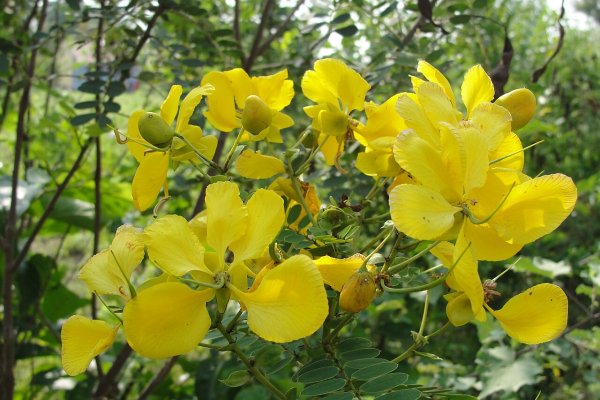
Kinihiriya (Cochlospermum religiosum) performs an annual act of theatre: it drops every leaf, stands bare through the hottest months, and then covers itself in enormous bright yellow flowers. The species name religiosum is earned — the tree is planted at temples and its flowers offered at shrines across the dry zone.
Botanical and Cultural Background
Kinihiriya is a small deciduous tree of the Bixaceae family, flowering leafless from February to April. Its bark exudes a translucent gum that hardens into pale lumps — katira gum, closely related to the karaya gum of commerce, which is used industrially as a thickener and food additive.
That gum is the tree's main medicine, and its properties are physical rather than pharmacological: it is a demulcent, swelling in water to a thick mucilage that coats whatever it touches.
Traditional Uses in Sri Lankan Medicine
Soothing the gut
Katira gum soaked in water and drunk, traditionally for irritated stomach and bowel.
Acidity
Gum or flower infusion taken for heartburn and gastritis.
Cooling
Flowers steeped with sugar as a cooling sherbet in the hot months.
Cough
The gum used as a demulcent for dry throat.
What the Research Shows
Research on Cochlospermum religiosum is limited. The genus contains carotenoids, flavonoids and triterpenes, and laboratory studies report antimicrobial and anti-inflammatory activity. The gum's chemistry as a polysaccharide demulcent is well characterised — karaya gum is a recognised pharmaceutical excipient and bulk laxative.
The demulcent effect is genuine and mechanical: mucilage really does coat and soothe irritated mucosa. That is a modest, honest claim, and it holds up.
What it cannot do is heal a peptic ulcer. This matters more than it sounds. Most peptic ulcers are caused by Helicobacter pylori infection or by anti-inflammatory painkillers — and H. pylori can be tested for and cured with a one-week course of antibiotics. Untreated, it doesn't just cause ulcers: chronic infection is a recognised risk factor for stomach cancer. Coating the stomach with mucilage while the bacterium continues its work is a poor trade for a curable infection.
How Kinihiriya Is Used
Katira gum drink: Lumps soaked in water for hours until swollen and jelly-like, then taken.
Flower sherbet: Flowers steeped in water with a little sugar.
Safety and Precautions
Katira gum is benign — it is a food-grade material, and this is among the gentlest entries on the site. Take it with plenty of water: like any bulking mucilage, taken dry or with too little fluid it can cause obstruction, and it should be avoided by anyone with a swallowing difficulty or known bowel narrowing.
Persistent indigestion deserves testing, not soothing. If you have ongoing heartburn or stomach pain, ask about a H. pylori test — it is simple, and treatment is a short antibiotic course that cures the problem rather than muffling it. Go to a doctor promptly for stomach pain with vomiting blood, black tarry stools, difficulty swallowing, unexplained weight loss, or persistent symptoms after middle age. These are the features that separate a nuisance from something serious.
Because mucilage coats the gut, it can reduce absorption of medicines taken at the same time — separate doses by about two hours. For diarrhoea, especially in children, oral rehydration solution comes first; blood or mucus in the stool needs a doctor. Avoid medicinal quantities in pregnancy without advice.

Comments (0)
Leave a Comment