_DC._var._vaginalis_(2790037054).jpg)
Aswenna (Alysicarpus vaginalis) is one of those small plants that most people walk past and cattle eat — it is grown as fodder in much of the world. In Sri Lankan traditional medicine it belongs to the group of herbs reached for when something is wrong with urination, alongside polpala.
Botanical and Cultural Background
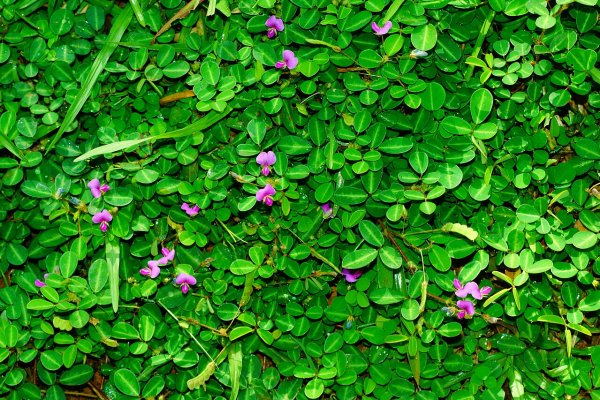
Aswenna is a low, spreading perennial of the Fabaceae family, with simple oval leaves and small pinkish-purple pea flowers, followed by jointed pods that give the genus its name — Alysicarpus, "chain fruit". It grows in the dry and intermediate zones, in open ground and grazing land.
The whole plant is used, dried and made into a decoction.
Traditional Uses in Sri Lankan Medicine
Urinary complaints
Its principal use — a decoction taken as a diuretic for scanty urine, burning urination and what tradition describes as urinary stones.
Cooling and fevers
Taken as a cooling drink for excess body heat and fever.
Liver and spleen
Traditionally described as cleansing to the liver and spleen.
Wounds
Crushed leaves applied externally to minor cuts.
What the Research Shows
Research on Alysicarpus vaginalis is limited. Laboratory studies have reported antioxidant, antimicrobial and anti-inflammatory activity, and the plant is better documented agriculturally, as a fodder and cover crop, than pharmacologically. The classical Sri Lankan and Indian sources — Jayaweera, Chopra's glossary — record its traditional uses, but there is very little modern work and no human clinical evidence.
This is worth saying plainly rather than dressing up: aswenna's reputation as a diuretic rests on tradition, not on demonstrated effect, and the confident claims that it dissolves stones or clears infections have nothing behind them.
How Aswenna Is Prepared
Decoction: The dried whole plant — roots, stems, leaves and flowers — boiled in water and strained.
Light tea: A weaker infusion of the leaves taken as a cooling drink.
Externally: Fresh leaves crushed and applied.
Safety and Precautions
Aswenna does not clear a urinary tract infection, and treating one at home is how a simple problem becomes a serious one. A UTI needs assessment and usually antibiotics. Untreated, the infection can ascend to the kidneys — pyelonephritis — and from there into the bloodstream. Fever, back or flank pain, vomiting, or blood in the urine alongside urinary symptoms means see a doctor promptly, not brew a decoction.
It does not dissolve stones either. Kidney and urinary stones need imaging and medical assessment; a large stone will not pass on its own and can obstruct the kidney. Severe pain is a reason to go to hospital.
Because aswenna acts as a diuretic, do not combine it with prescription diuretics without medical supervision — the effects can add together and disturb fluid and electrolyte balance. Drink plenty of plain water if you take it, and be cautious if you already have low blood pressure. If you have diagnosed kidney disease, discuss any herbal preparation with your doctor first: kidney disease is often silent early on, and Sri Lanka carries a substantial burden of chronic kidney disease, so ongoing urinary symptoms deserve a blood and urine test rather than indefinite self-treatment. Avoid medicinal quantities in pregnancy without advice.


_Alston_Family_COCHLOSPERMACEAE_(7).jpg)
Comments (0)
Leave a Comment