.jpg)
Heen Pitiyawakka (Phyllanthus debilis, and its close relatives P. niruri and P. amarus) is a weed that appears in Sri Lankan gardens with the rains and is treated as the finest liver medicine we have. It is genuinely one of the most researched traditional plants in the world — which is exactly why this page must be careful, because the research does not say what people think it says.
Botanical and Cultural Background
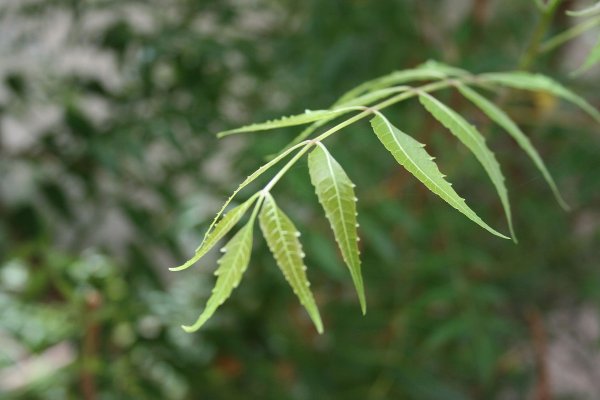
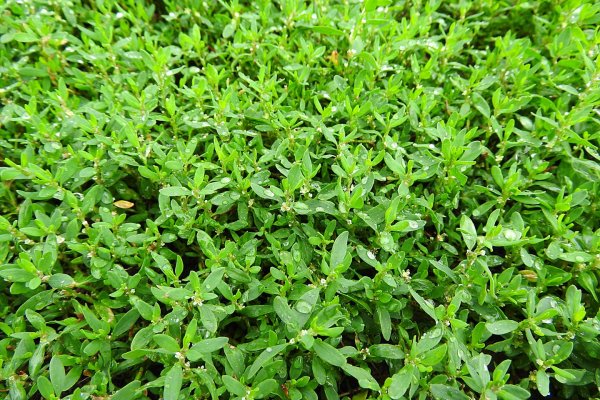
A small erect annual of the Phyllanthaceae family, heen pitiyawakka has delicate pinnate leaves that look strikingly like a miniature nelli branch — the two are related — and its tiny greenish capsules line up beneath the leaf, giving it the English name seed-under-leaf. In South America the same genus is chanca piedra, the stonebreaker.
Traditional Uses in Sri Lankan Medicine
Jaundice and liver complaints
Its defining use — fresh plant juice with rock sugar, given for yellowing of the eyes and skin.
Kidney stones
The stonebreaker reputation — a whole-plant decoction taken to pass stones.
Blood sugar
Leaf extract taken traditionally by people with diabetes.
Urinary complaints
Used as a diuretic.
What the Research Shows
Phyllanthus has been studied seriously. It contains lignans — phyllanthin, hypophyllanthin — along with ellagitannins and flavonoids. Laboratory and animal work shows hepatoprotective and antiviral activity, and there is real research interest in the genus. On kidney stones, there is a modest body of work, some of it clinical, suggesting P. niruri may reduce crystal aggregation and help small stones pass — this is among the more promising findings for any plant on this site.
Hepatitis B is where the honesty has to be uncompromising. Phyllanthus was tested against chronic hepatitis B, repeatedly, over decades. Cochrane reviewers assessed the accumulated trials and concluded there is no convincing evidence that Phyllanthus benefits people with chronic HBV infection, with the trials generally small and of poor methodological quality. This is not an absence of research; it is research that came back negative.
That matters more than usual, because hepatitis B has genuinely effective treatment. Antiviral drugs — tenofovir, entecavir — suppress the virus, and they measurably prevent progression to cirrhosis and liver cancer. Hepatitis B is common enough in this region to matter, it is usually silent for decades, and the people it kills are the ones who never knew or never followed up. Someone drinking this juice instead of getting tested and treated is trading a treatable infection for liver failure or hepatocellular carcinoma twenty years on.
Cirrhosis cannot be reversed. It is scar tissue replacing liver. Treatment aims to halt progression and manage complications; no plant regenerates a cirrhotic liver, and claiming otherwise is not a small exaggeration.
How It Is Prepared
Fresh juice: Two or three whole plants washed, crushed, the juice taken with warm water and rock sugar.
Decoction: Whole plant boiled down and strained.
Tea: Shade-dried plant powdered and brewed.
Safety and Precautions
Yellow eyes or skin means get tested — today, not eventually. Jaundice is a symptom, and its causes differ totally: hepatitis A, B, C, gallstones, drug toxicity, alcohol, cancer. Only blood tests and imaging tell them apart, and several are treatable if caught. If you have hepatitis B, see a doctor about antiviral treatment and monitoring; if you don't know your status and you have risk factors, get tested — it is a simple blood test, and there is also a vaccine that prevents it entirely.
Do not try to flush gallstones. The claim that this plant dissolves gallbladder stones is unsupported, and attempting to move gallstones is not harmless — a stone lodged in the bile duct causes obstruction, jaundice and pancreatitis, which is an emergency. Kidney stones are different and the evidence there is more encouraging, but a large stone still needs imaging and can obstruct the kidney; severe pain, fever with urinary symptoms or blood in the urine means hospital.
Heen pitiyawakka lowers blood glucose — tell your doctor if you take diabetes medication, as effects add together. It is a diuretic, so take care alongside prescription diuretics. Avoid medicinal quantities in pregnancy. And remember the irony that governs this whole page: herbal products are themselves a recognised cause of liver injury, so a sick liver is the worst possible place to experiment.

Comments (0)
Leave a Comment