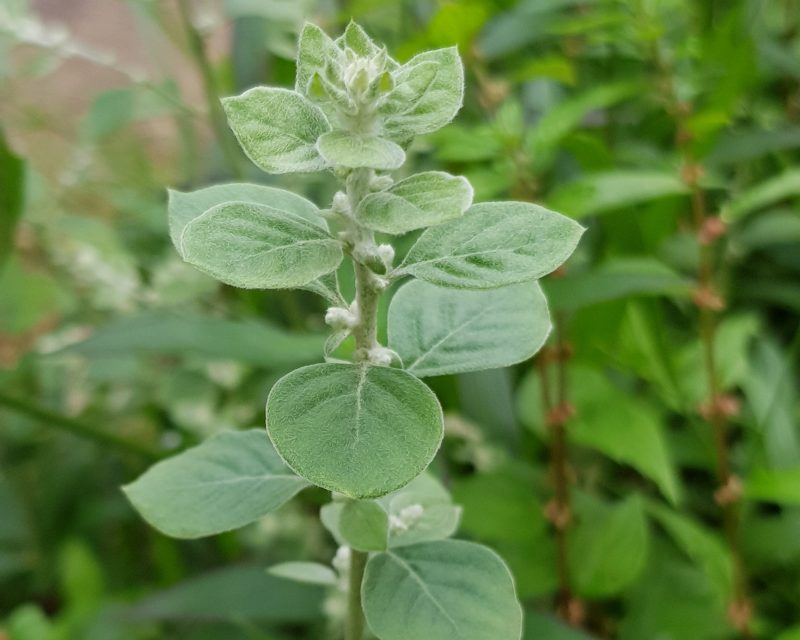
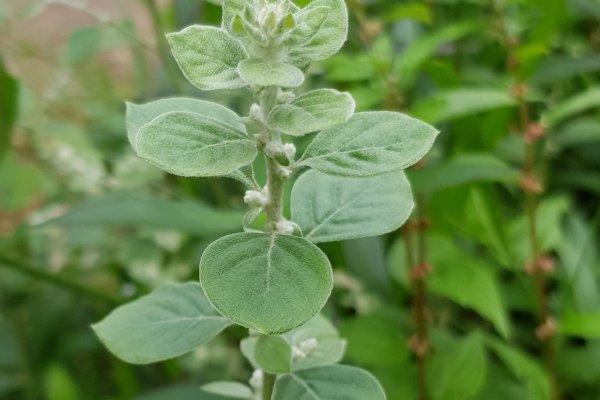
Polpala (Aerva lanata) is a modest, woolly weed that most people would step over without noticing. In Sri Lanka, however, it is one of the most widely consumed medicinal plants in the country — packaged as tea, brewed as kenda, and reached for by anyone who suspects trouble with their kidneys or urine.
Botanical and Cultural Background
A member of the Amaranthaceae family, polpala is a low, spreading herb with small greyish-green leaves covered in fine woolly hairs, and tiny inconspicuous flowers clustered along the stems. It grows readily on waste ground, roadsides and dry open areas.
The whole plant is used. Polpala is one of the few Sri Lankan herbs to have made a full commercial transition: it is sold dried in supermarkets, bagged as tea, and marketed nationally for "kidney health".
Traditional Uses in Sri Lankan Medicine
Kidney stones
This is polpala's best-known use. Decoctions of the whole plant are traditionally given in the belief that they help break down and flush small stones and gravel.
Urinary comfort
It is used for burning urination, scanty urine and general urinary discomfort, and is regarded as a diuretic.
Cooling
Polpala is considered cooling and is taken as a general drink for excess body heat.
As a porridge
Polpala kenda — a herbal porridge made with rice and coconut milk — is a common everyday preparation.
What the Research Shows
Research on Aerva lanata has investigated diuretic and antiurolithiatic (anti-stone) activity in animal models, along with antioxidant and anti-inflammatory effects. Investigators have identified flavonoids, alkaloids and other constituents. Some Sri Lankan and Indian studies report reduced stone formation in experimental models.
This work is preclinical. There are no substantial human trials showing that polpala dissolves kidney stones or prevents their recurrence in people, and the gap between that evidence and the confidence of the marketing on the packet is wide.
How Polpala Is Prepared
Polpala tea: The dried whole plant is boiled in water and strained; commercial tea bags are also widely available.
Polpala kenda: The plant is boiled, the extract strained and combined with rice and coconut milk to make a herbal porridge.
Safety and Precautions
This is a herb where self-treatment carries real risk, and it is worth being blunt about why. Kidney disease is often silent in its early stages, and Sri Lanka has a serious burden of chronic kidney disease — including chronic kidney disease of uncertain aetiology (CKDu) in the North Central and dry zone regions. Symptoms people commonly self-treat with polpala — reduced urine, swelling, back pain, burning — can be signs of conditions that need diagnosis and monitoring. Drinking polpala tea instead of getting a blood and urine test can allow a treatable problem to progress quietly.
Kidney stones specifically need imaging and medical assessment. A large stone will not pass on its own and can obstruct the kidney; severe pain, fever with urinary symptoms, or blood in the urine are reasons to go to hospital, not to make tea.
If you already have diagnosed kidney disease, discuss any herbal preparation with your doctor before taking it — including polpala. Because it acts as a diuretic, combining it with prescription diuretics without supervision may disturb fluid and electrolyte balance. Polpala is not recommended in medicinal quantities during pregnancy without professional advice.



Comments (0)
Leave a Comment