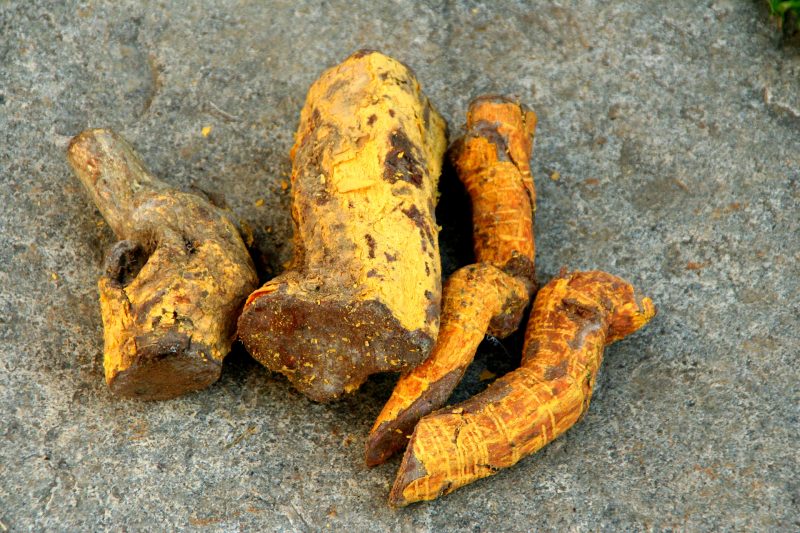
Kothala himbutu (Salacia reticulata) is that rare thing in herbal medicine: a Sri Lankan folk remedy that walked into a modern clinical trial and held its own. For generations, people at risk of diabetes drank plain water that had been left overnight in a cup carved from its wood. The habit sounds like pure folklore — until chemists found the water-soluble compounds responsible, and a Sri Lankan double-blind trial showed measurable effects on blood sugar.
Botanical and Cultural Background
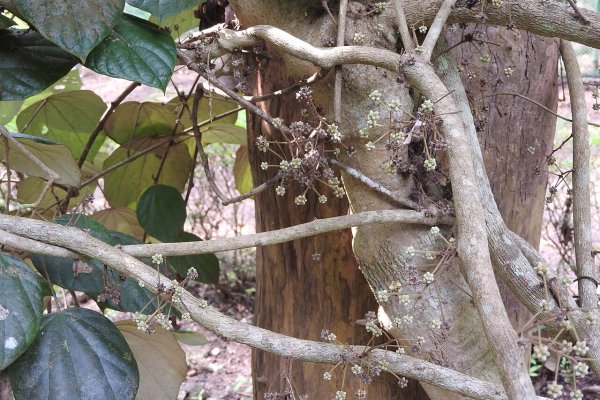
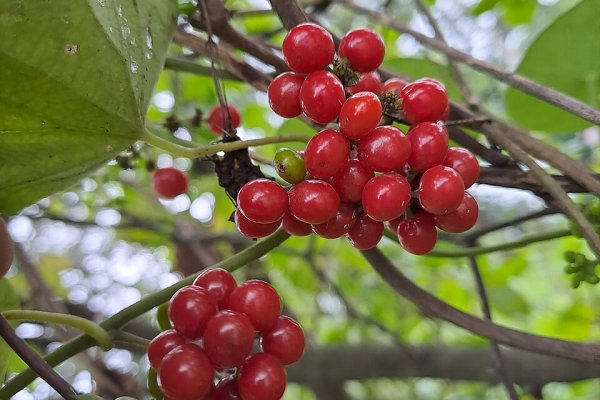
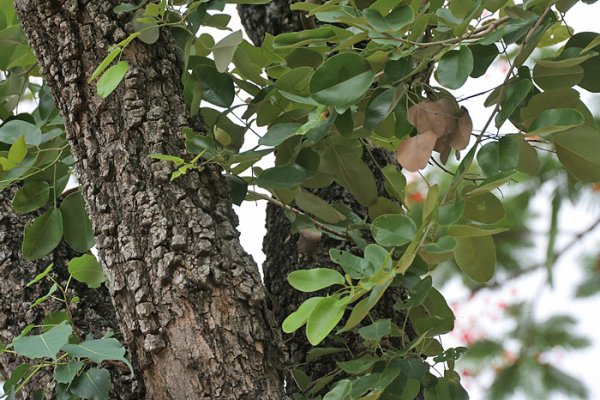
Kothala himbutu is a woody climbing shrub of the Celastraceae family, native to the forests of Sri Lanka and southern India. It is the reddish-brown stem wood and root, not the leaves or fruit, that carry the medicine. In Sri Lanka the plant became so sought after that carved kothala himbutu mugs were a common gift for elders, and demand has put wild populations under real pressure — today the plant is of conservation concern, and cultivated or certified sources are preferred.
Traditional Uses in Sri Lankan Medicine
In Ayurvedic terms the plant has long been prescribed for madhumeha — the classical description of diabetes — as well as for rheumatic complaints and skin disease. The typical preparations are simple: water steeped overnight in a wooden cup, a decoction of wood chips boiled down by half, or a coarse powder taken with warm water before meals. It was traditionally given at the earliest signs of "sweet urine", which maps rather neatly onto what we would now call prediabetes.
What the Research Shows
The pharmacology turned out to be genuinely interesting. In 1997, Japanese researchers isolated salacinol — and later kotalanol — from the plant: potent inhibitors of the α-glucosidase enzymes that break carbohydrates into absorbable glucose in the small intestine (Yoshikawa et al., 1997). Blocking these enzymes blunts the blood-sugar spike after a meal, which is exactly the mechanism of the pharmaceutical drug acarbose.
Human evidence followed. A double-blind, randomised, placebo-controlled crossover trial at the University of Sri Jayewardenepura gave a kothala himbutu tea preparation to patients with type 2 diabetes and found a significant reduction in HbA1c, a marker of long-term glucose control, without serious side effects (Jayawardena et al., 2005). Subsequent reviews of trials in Japan, where Salacia extracts are sold as functional foods, concluded that the herb meaningfully reduces post-meal glucose and insulin spikes and appears well tolerated (Medagama, 2015; Stohs & Ray, 2015). It remains a complement to, not a substitute for, prescribed diabetes care.
How Kothala Himbutu Is Prepared
The traditional overnight-cup method survives, but a decoction is more practical: a tablespoon of wood chips or coarse powder simmered in three cups of water until reduced to one, taken before the main meal. Because its mechanism acts on the meal you are about to eat, timing it with food is the traditional — and pharmacologically sensible — practice.
Safety and Precautions
The important interaction is the obvious one: combined with insulin or glucose-lowering drugs, kothala himbutu can push blood sugar too low. Anyone on diabetes medication should involve their doctor and monitor levels closely. Mild gas and abdominal rumbling are common at first — the same effect acarbose produces, and for the same reason. Traditional practice avoids the herb during pregnancy, a caution supported by animal data. Finally, buy from cultivated or reputable sources: the wild vine is over-harvested, and adulteration of powders is a known problem.

Comments (0)
Leave a Comment