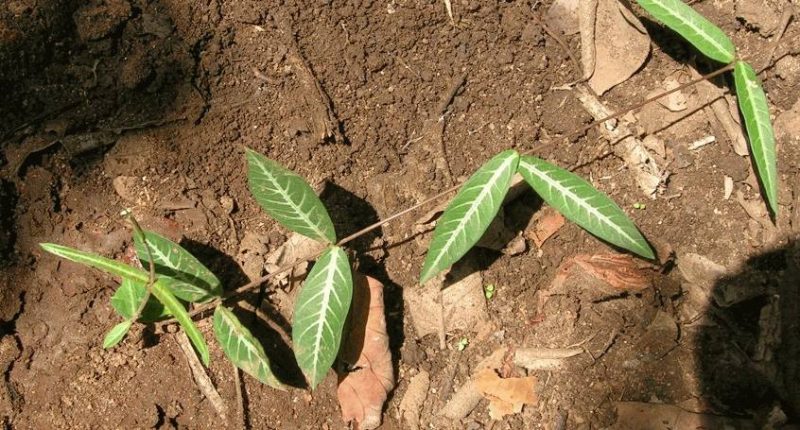
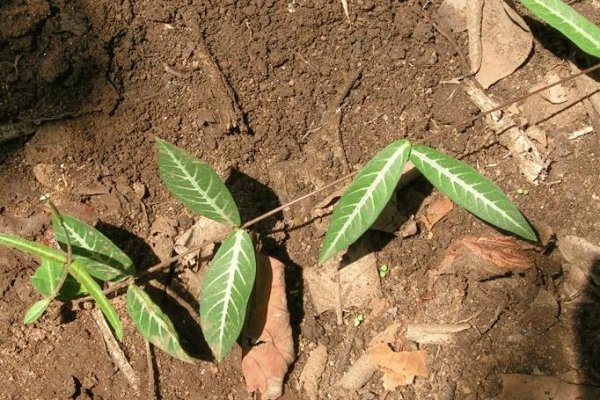
Iramusu (Hemidesmus indicus) is known first by its smell. Break a piece of the dried root and it releases a sweet, vanilla-like fragrance that is unmistakable — the reason it turns up in cordials, herbal porridges and cooling drinks sold across Sri Lanka.
Botanical and Cultural Background
Iramusu is a slender twining shrub of the Apocynaceae family, with wiry stems and narrow leaves, found across the dry and intermediate zones. The medicinal part is the root, which is dug, dried and stored. Its characteristic aroma comes largely from 2-hydroxy-4-methoxybenzaldehyde, a compound closely related to vanillin.
In Sri Lanka, iramusu occupies an unusual position between medicine and refreshment. It is sold as a bottled cordial, brewed into iramusu kenda, and paired with nelli in drinks marketed for "body heat". Few herbs are so thoroughly part of everyday life.
Traditional Uses in Sri Lankan Medicine
Cooling the body
Iramusu is classically used to reduce what traditional medicine describes as excess pitta or internal heat — a state associated with irritability, burning sensations and skin eruptions.
Skin conditions
Because traditional theory links skin complaints to impurities and heat in the blood, iramusu is a standard ingredient in preparations for rashes, eczema, acne and itching.
Urinary comfort
Root decoctions are traditionally given for burning during urination and scanty urine.
As a "blood purifier"
This is iramusu's most repeated description. It is worth being precise about what it means: in traditional theory, "blood purification" describes clearing heat and impurity from the body, with clearer skin taken as the visible result. It does not describe a literal filtering of the blood — that work is done by your kidneys and liver, and no herb substitutes for them.
What the Research Shows
Studies of Hemidesmus indicus have examined antioxidant, anti-inflammatory and hepatoprotective activity in laboratory and animal models, and have characterised constituents including 2-hydroxy-4-methoxybenzaldehyde, sterols and triterpenoids. There is also a small body of research into its traditional use against snake venom.
Human clinical evidence is scarce. Iramusu's long record of safe everyday use in Sri Lanka is reassuring, but it is not the same thing as demonstrated effectiveness for eczema, psoriasis or any diagnosed skin disease, and it should not be presented that way.
How Iramusu Is Prepared
Iramusu tea: Boil one to two teaspoons of dried, powdered or crushed root in water for around ten minutes, then strain. The result is woody and faintly sweet, and is traditionally taken in the morning.
For the skin: Fresh root is ground into a paste with a little water and applied to irritated areas.
As a drink: Iramusu is widely combined with nelli or made into a cordial and diluted.
Safety and Precautions
Iramusu has a good safety record in ordinary use. Because it is markedly cooling, people who are prone to colds, wheezing or excess phlegm may prefer to take it in moderation or alongside a warming herb such as ginger.
One practical caution concerns identification. Iramusu is sometimes substituted or adulterated in the market with other fragrant roots, including Decalepis hamiltonii and species of Smilax. Buy from a supplier you trust.
Persistent or worsening skin disease deserves a proper diagnosis rather than indefinite self-treatment; conditions like psoriasis and chronic eczema have effective medical treatments. Iramusu is not recommended in medicinal quantities during pregnancy without professional advice.



Comments (0)
Leave a Comment