

Goraka (Garcinia gummi-gutta) leads a double life. In Sri Lanka it is a kitchen staple: the smoky, sour dried rind that gives fish ambul thiyal its sharpness and keeps it from spoiling for days without a refrigerator. Abroad, sold as "Garcinia cambogia", it became one of the world's best-selling weight-loss supplements — and then one of the most reported causes of supplement-related liver injury. Both stories are true, and the difference between them is dose and form.
Botanical and Cultural Background
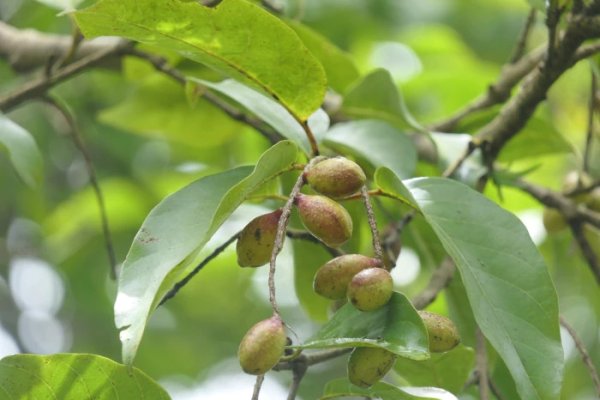
Goraka is a medium evergreen tree of the mangosteen family, native to Sri Lanka and India's Western Ghats. Its pumpkin-shaped yellow fruits are harvested, the rind split into segments and smoke-dried over the kitchen hearth until black and leathery. That rind stores for years and is the form every Sri Lankan household keeps. The sourness comes from hydroxycitric acid (HCA), which is also the compound extracted for diet pills.
Traditional Uses in Sri Lankan Medicine
- Dried rind in cooking — as a souring and preserving agent for fish and meat; in traditional understanding it "cuts" fat and aids the digestion of rich food.
- Decoction — for digestive complaints, worms and as a mouthwash for gum disease.
- Paste — applied to bruises and rheumatic joints.
What the Research Shows
HCA blocks an enzyme (ATP-citrate lyase) involved in converting carbohydrate to fat, which is the theory behind the diet pills. In practice the effect is small: a systematic review of randomised trials found weight loss of under a kilogram more than placebo over short trials (Onakpoya et al., 2011). Meanwhile the safety picture has darkened. The US National Institutes of Health's LiverTox database classifies Garcinia as a probable cause of clinically apparent liver injury, and a 2025 review in Pharmaceutical Biology catalogued cases including acute liver failure and a transplant, with a proposed genetic susceptibility (HLA-B*35:01). Health Canada's 2025 safety review found a possible link to hepatotoxicity that, rarely, can be serious.
Crucially, these harms come from concentrated HCA extracts taken daily in gram quantities, not from the pinch of dried rind in a fish curry, which delivers a tiny fraction of the dose.
Evidence updated September 2026.
How Goraka Is Prepared
In cooking, two or three pieces of dried rind are added to the curry pot; they soften and lend both sourness and a faint smokiness. For a traditional digestive drink, a piece is boiled in two cups of water, cooled and taken after a heavy meal. Goraka paste (rind ground with a little water) is the base for ambul thiyal.
Safety and Precautions
Culinary use is safe. We do not recommend Garcinia weight-loss supplements: they achieve little and carry a documented, if rare, risk of serious liver injury, especially combined with other supplements such as green tea extract or with certain medications. Anyone taking such products who develops nausea, dark urine, pale stools or yellowing eyes should stop immediately and see a doctor. Avoid supplements entirely in pregnancy and in anyone with liver disease.

Comments (0)
Leave a Comment