

Diyamitta (Cissampelos pareira) is a slender climber with soft, heart-shaped leaves that Sri Lankan children crush into a jelly-like drink, and that physicians of every South Asian tradition have used for fevers, diarrhoea and difficult urination. Ayurveda calls it patha. In 2015 it stepped into modern virology when Indian scientists reported that its extract inhibited all four dengue virus serotypes — a finding that has made it one of the most closely watched traditional plants in the region.
Botanical and Cultural Background
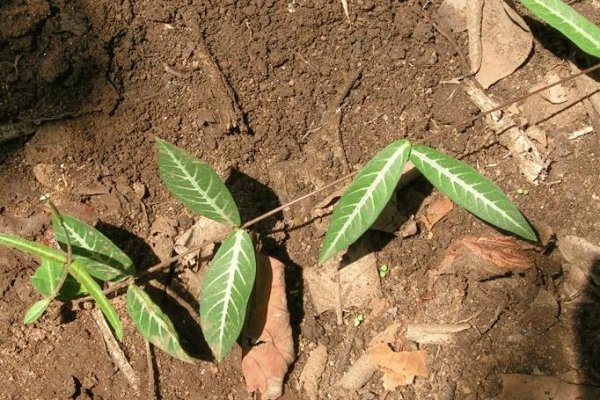
A perennial vine of the moonseed family, diyamitta trails over hedges and scrub throughout the low country, with velvety leaves, inconspicuous flowers and small red berries. The root is the classical medicine — bitter, with alkaloids such as cissampeline and berberine-type compounds — while the leaves are the everyday part: rubbed in water they release a mucilage that sets into a cooling jelly, a traditional summer drink and remedy for the stomach.
Traditional Uses in Sri Lankan Medicine
- Fevers — root decoction, and in compound fever preparations.
- Diarrhoea and dysentery — leaf jelly or root decoction to soothe the gut.
- Urinary complaints and stones — root decoction as a diuretic.
- Wounds and itching — leaf paste applied externally.
What the Research Shows
The dengue work is the headline: an extract of the whole plant inhibited all four dengue serotypes in cell culture and reduced viral load in infected mice (Sood et al., 2015), and a standardised formulation was subsequently taken into human trials in India. A 2021 review in the Journal of Ethnopharmacology gathered evidence for antipyretic, anti-inflammatory, antimalarial, antidiarrhoeal, diuretic and immunomodulatory activity across animal and laboratory studies, with the alkaloids showing genuine antiviral and anti-inflammatory mechanisms. The human dengue trials reported reductions in symptoms and viral load, but the published data are limited, and no health authority yet recommends diyamitta for dengue. It is a promising plant, not a proven cure.
Evidence updated September 2026.
How Diyamitta Is Prepared
For the leaf jelly, rub two handfuls of fresh leaves in a litre of water until the water thickens, strain and leave to set, then sweeten with jaggery and serve chilled. For the traditional root decoction, a teaspoon of dried root is simmered in two cups of water reduced by half, taken twice daily for short courses. Diyamitta-based dengue formulations are prescription products and should only be used under medical care alongside standard treatment.
Safety and Precautions
The leaf jelly is a food and safe in moderation. Root preparations contain active alkaloids: avoid in pregnancy and breastfeeding, and do not exceed traditional doses or use for extended periods. Dengue is a medical emergency — monitor platelet counts and fluid status with a doctor; diyamitta must never delay hospital care. Do not combine root preparations with other sedative or blood-pressure-lowering herbs without advice.

Comments (0)
Leave a Comment