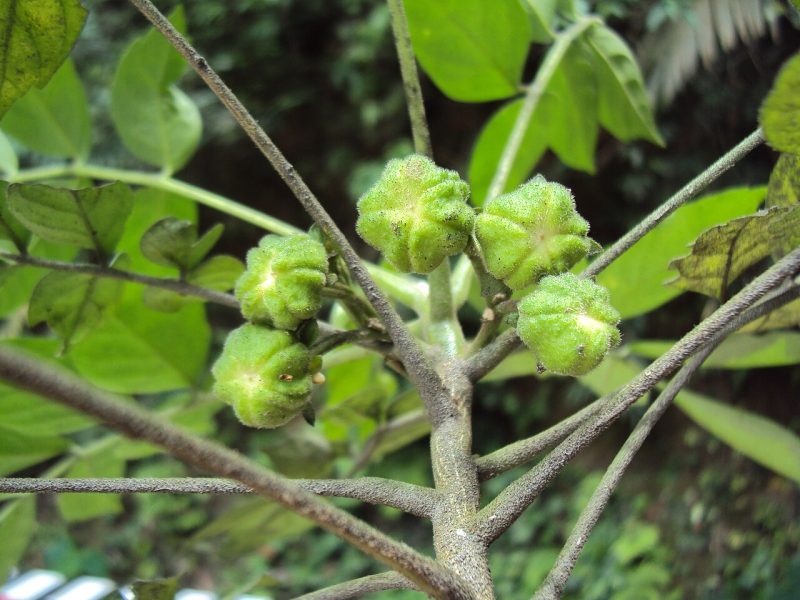
Bim Kohomba (Munronia pinnata) is one of the few plants on this site that Sri Lanka could actually lose. It is a small, ground-hugging endemic of extraordinary bitterness, ranked in Deshiya Chikitsa among the highest-order medicines — and it is being harvested toward disappearance.
Botanical and Cultural Background
Bim Kohomba is a small shrub of the Meliaceae family — neem's family, which its name records: bim kohomba means "ground neem", after a bitterness that rivals the tree. It grows low, in dry and intermediate zone scrub, and the whole plant is used.
It is endemic and it is in trouble. Munronia pinnata is found nowhere else, is slow-growing, difficult to propagate, and has been so heavily collected from the wild for the herbal trade that it is now recognised as threatened in Sri Lanka. Sri Lankan researchers have worked on cultivating it precisely because wild stocks cannot support demand. If you buy bim kohomba, buy cultivated material and buy it sparingly.
Traditional Uses in Sri Lankan Medicine
Fevers
Its defining use — an intensely bitter decoction for persistent and stubborn fever.
Skin conditions
Traditionally used, as a bitter, for eczema, boils and chronic skin complaints.
Digestion
Like most bitters, used to stimulate appetite, digestion and bile flow.
Convalescence
A dilute tea is traditionally given after a heavy viral illness.
What the Research Shows
Research on Munronia pinnata is genuinely Sri Lankan. Napagoda and colleagues have reported anti-inflammatory and antioxidant activity for this endemic plant, and Dharmadasa and others have worked on its chemistry, propagation and quality standards. Limonoids and other Meliaceae compounds have been described.
The evidence is preclinical. It is a real body of local science on a local plant, which is more than most entries here can claim, but it does not establish clinical effect in people.
The antimalarial claim should be dropped. Bim Kohomba's historical use against fever includes malaria, and bitter antimalarials have a long pedigree — quinine, artemisinin. But this plant is not one of them in any demonstrated sense. Malaria is diagnosed by blood test and treated with antimalarial drugs; Sri Lanka is certified malaria-free, so a malarial fever here means an imported case, which means travel history, testing and treatment — not a decoction.
How Bim Kohomba Is Prepared
Decoction: The dried whole plant boiled and strained. It is savagely bitter, and traditionally that is part of the point.
Paste: Crushed leaves and root applied externally to boils.
Safety and Precautions
Bim Kohomba is potent and traditional practice is right that it should be used under an Ayurvedic physician's guidance rather than casually.
A fever lasting more than two days needs assessment. In Sri Lanka that means dengue must be considered — it kills through plasma leakage as the fever falls, which is exactly when home treatment feels like it is working. Severe headache, pain behind the eyes, vomiting, rash, bleeding gums or abdominal pain means go now.
Buy it cultivated, or leave it in the ground. This is a plant that will not survive being fashionable. Given its endemic status and depleted wild populations, sourcing matters more here than for almost anything else on this site.
Avoid medicinal use in pregnancy and breastfeeding without professional advice, and do not give it to young children. Because bitters stimulate bile flow, seek advice first if you have gallstones.


_Alston_Family_COCHLOSPERMACEAE_(7).jpg)
_DC._var._vaginalis_(2790037054).jpg)
Comments (0)
Leave a Comment