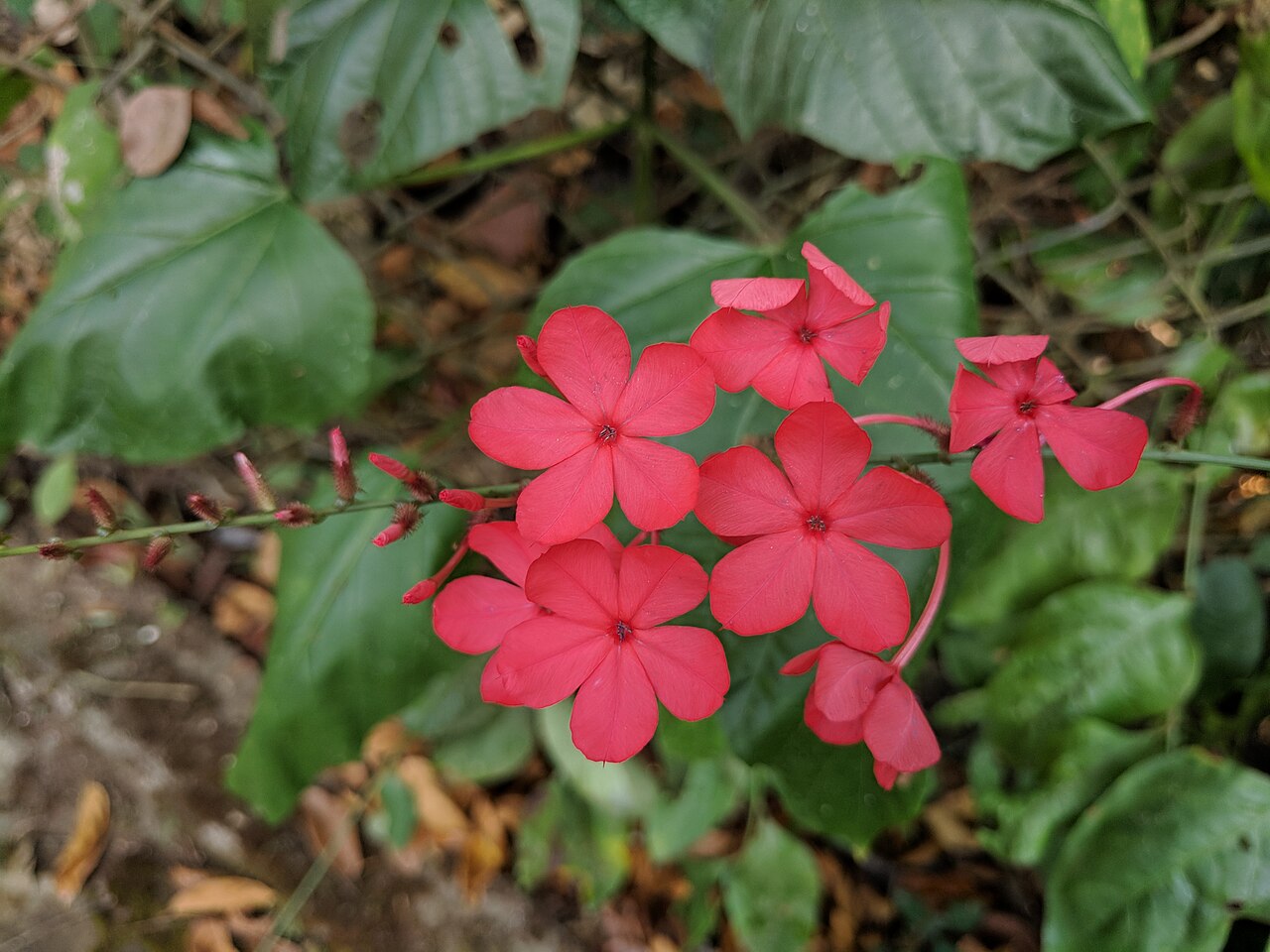
Botanical and Cultural Overview
Rathnithul (Plumbago indica, previously known as Plumbago rosea), commonly known as Indian Leadwort or Rosy Leadwort, is a small, sprawling evergreen shrub belonging to the Plumbaginaceae family. Cultivated in many medicinal gardens across Sri Lanka, it is easily recognized by its striking, elongated clusters of vivid scarlet-red flowers. While the plant is aesthetically pleasing, it is the subterranean roots of Rathnithul that hold immense medicinal value. Known in Sanskrit as "Chitraka" (specifically Rakta Chitraka, referring to the red-flowered variety), this root is considered one of the most potent "Ushna" (hot/heating) and "Deepana" (digestive-fire stimulating) herbs in the Ayurvedic pharmacopeia. Due to its intense heat and blistering properties in its raw state, Rathnithul roots undergo strict purification processes before internal use.
Key Medicinal Uses
1. Igniting Digestive Fire (Agni) and Curing Indigestion
Rathnithul is a premier herb for treating disorders related to a sluggish digestive system (Manda Agni). The purified root strongly stimulates the liver and the secretion of digestive enzymes. It is highly effective in treating severe indigestion, loss of appetite, bloating, and chronic malabsorption syndrome by completely resetting the digestive fire.
2. Relief from Rheumatoid Arthritis and Joint Pain
The intense heating and anti-inflammatory properties of Rathnithul make it a formidable weapon against "Vata" and "Kapha" disorders, particularly rheumatoid arthritis (Amavata). Internally, decoctions containing purified Rathnithul digest the toxins (Ama) accumulated in the joints. Externally, a carefully prepared paste of the root is applied over painful, swollen joints to provide deep, heating relief from severe pain and stiffness.
3. Treating Hemorrhoids (Piles)
Rathnithul is traditionally renowned for its ability to shrink and cure non-bleeding hemorrhoids. The root is used both internally in formulations and externally as a paste applied directly to the hemorrhoids. Its powerful astringent and heating nature dries up the swollen veins.
4. Managing Obesity and Fat Metabolism
Because it powerfully stimulates metabolism and generates body heat, Rathnithul is often included in Ayurvedic formulations designed for weight loss and reducing excess body fat. It helps scrape away unwanted lipid deposits (Lekhana property).
5. Antimicrobial and Skin Diseases
The active compound in the root, "plumbagin," is a powerful antibacterial and antifungal agent. Externally, pastes made from the root are applied (with great caution) to treat stubborn fungal infections, ringworm, and chronic skin diseases like leprosy in ancient practices.
Preparation Methods (Post-Purification Only)
- For Digestion: In traditional medicine, purified Rathnithul root powder is mixed with buttermilk or warm water and given in extremely small doses to cure severe indigestion and loss of appetite.
- Joint Pain Paste: The root is ground with a soothing base (like milk or oil) to counteract its blistering effect, and applied cautiously over severely stiff and painful joints.
- Traditional Purification (Shodhana): The raw roots are cut into small pieces and soaked in lime water (calcium hydroxide solution) or buttermilk for several days, changing the liquid daily, to neutralize the blistering toxins before medicinal use.
Safety and Extreme Precautions
CAUTION - HIGHLY IRRITANT AND HEATING: Rathnithul is a very potent and aggressive herb. The raw, fresh root contains plumbagin, which can cause severe blisters, redness, and chemical burns if applied directly to the skin. Internal consumption of raw Rathnithul is toxic and can cause severe gastroenteritis and abortion.
It must never be consumed by pregnant women. Medicinal internal use should strictly involve purified (Shodhana) roots and must only be prescribed by a qualified Ayurvedic physician. People with high Pitta (body heat) or bleeding disorders should avoid this herb entirely.

Comments (0)
Leave a Comment