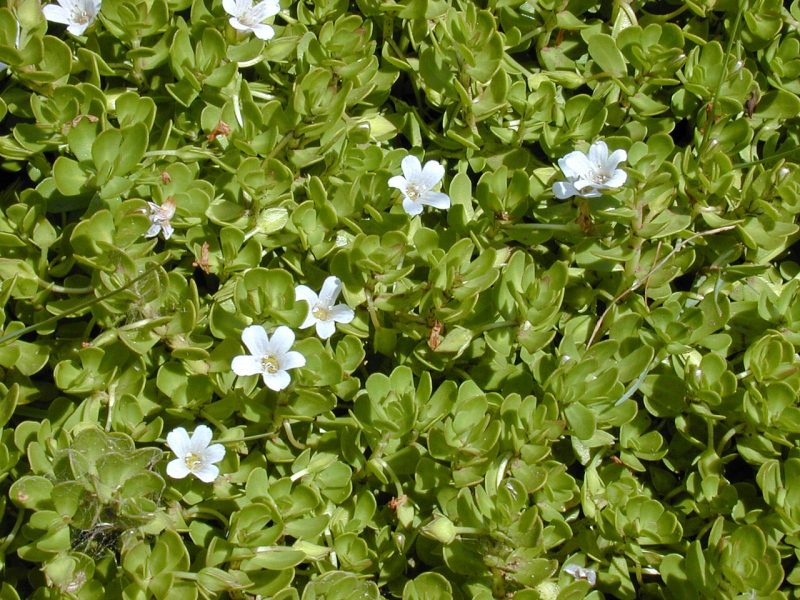
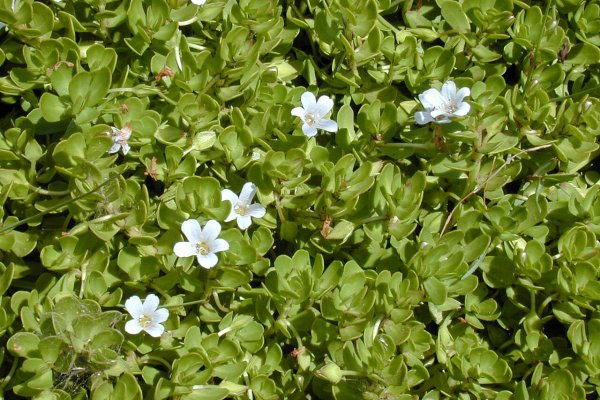
Lunuwila (Bacopa monnieri) is unusual on this site for a straightforward reason: there are actual randomised controlled trials in humans, and they are broadly positive. Where most traditional herbs rest on centuries of practice and a scattering of animal studies, brahmi has been tested in people, repeatedly, for the thing it is traditionally claimed to do.
Botanical and Cultural Background
Lunuwila is a small creeping succulent herb of the Plantaginaceae family, with fleshy leaves and little white flowers, growing in marshy ground, paddy margins and along water edges throughout Sri Lanka.
Known as brahmi in Ayurveda — a name it shares confusingly with gotu kola in some regions — it is classed as a medhya rasayana, a rejuvenator of the intellect. In Sri Lanka it is also simply food: the fresh leaves are made into a sambol with coconut, onion and lime.
Traditional Uses in Sri Lankan Medicine
Memory and learning
The central use, and the one modern research has taken up. Traditionally given to students and to those in mental work.
Calm and anxiety
Used traditionally to settle the mind without heaviness or sedation.
As a sambol
Lunuwila sambol makes the herb part of ordinary diet, which is arguably how it has always been most consumed.
What the Research Shows
This is the strongest evidence base of any herb covered on this site, and it is worth stating precisely.
Multiple randomised, placebo-controlled trials have tested standardised Bacopa monnieri extracts on cognition in healthy adults, and meta-analyses of this literature have concluded that bacopa improves memory — specifically, delayed word recall — with a small-to-moderate effect. The active constituents are the bacosides, and animal work suggests mechanisms involving antioxidant activity in the brain and effects on nerve endings.
Three qualifications matter. First, the effect is real but modest — this is not a transformation of mental capacity. Second, it is slow: trials generally show benefits at 8 to 12 weeks, not in days. Third, the trials used standardised extracts at defined doses, which is not the same as leaf sambol or home-pressed juice.
One traditional claim must be set aside. Lunuwila does not treat epilepsy. Traditional texts mention it for calming the nervous system, and the article you may have read elsewhere may repeat this — but epilepsy is controlled with anticonvulsant medication, and stopping or replacing that treatment can lead to prolonged seizures and death. Evidence in ADHD is limited to small studies and does not support it as a treatment.
How Lunuwila Is Prepared
Sambol: Fresh leaves shredded with grated coconut, onion, green chilli and lime.
Leaf juice: Fresh leaves crushed and the juice taken with honey.
Brahmi ghrita: The herb prepared in ghee, a classical Ayurvedic form.
Standardised extract: The form used in clinical trials, typically standardised to bacoside content.
Safety and Precautions
Lunuwila is generally well tolerated, and the most common problem in trials is unglamorous: gastrointestinal upset — nausea, cramping, loose stools — which is more likely on an empty stomach. Taking it with food or milk helps.
Never replace anticonvulsant medication with lunuwila. If you have epilepsy, discuss any herbal use with your neurologist rather than adjusting treatment yourself.
Bacopa has cholinergic activity, so tell your doctor if you take medicines affecting the nervous system — sedatives, antidepressants such as amitriptyline, or drugs for dementia. Animal studies have reported effects on thyroid hormone levels, so anyone with thyroid disease or taking thyroid medication should seek advice first. Avoid medicinal quantities in pregnancy and breastfeeding without professional guidance. Giving concentrated extracts to children should involve a doctor; sambol as food is a different matter.



Comments (0)
Leave a Comment