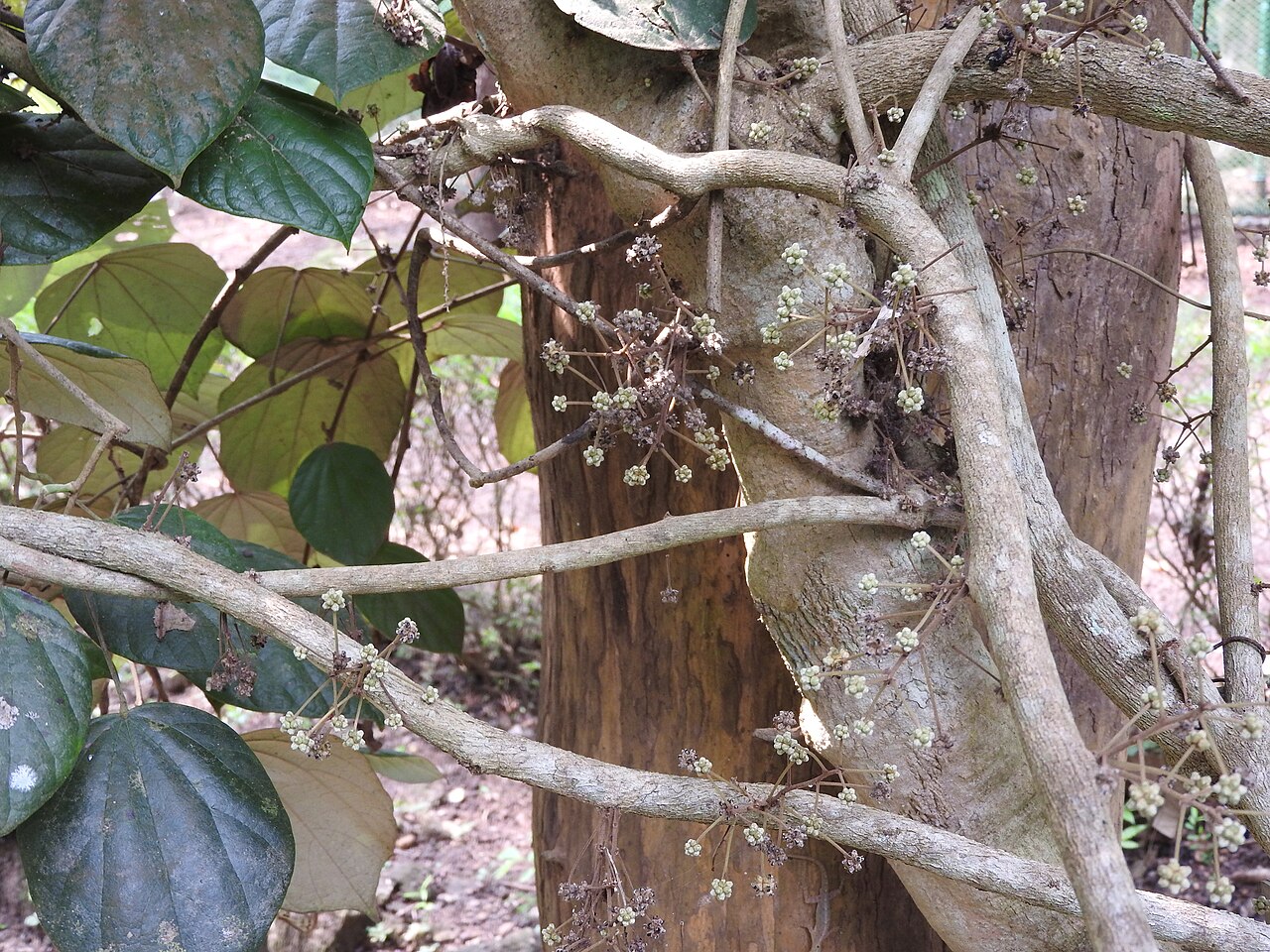
Introduction to Weniwelgeta
Weniwelgeta (Coscinium fenestratum), also known as Yellow Vine or False Calumba, is a woody climbing plant native to Sri Lanka. Its intensely yellow inner stem is a staple in Sri Lankan indigenous medicine, famous for its powerful antibacterial properties and its traditional use in treating body aches and fevers.
Core Health Benefits
- Relieves Fevers and Body Aches: Weniwelgeta is traditionally brewed to combat flu, viral fevers, and the severe body aches associated with them.
- Prevents Tetanus and Infection: In Sri Lankan villages, drinking Weniwelgeta tea immediately after sustaining a cut or stepping on a rusty nail is a time-honored first-aid practice to prevent tetanus and systemic infection.
- Wound Healing: The extract can be washed over wounds to kill bacteria and promote rapid healing.
- Improves Digestion: Its bitter principles stimulate digestion and help clear parasitic worms from the intestines.
How to Use
The bright yellow dried stems are the medicinal part of the plant.
- Weniwelgeta Tea: Crush a few pieces of the dried yellow stem and boil them in water along with a piece of ginger and coriander seeds. Drink this bitter brew twice a day to cure fevers, colds, and severe body aches.
- Antiseptic Wash: Boil the stems in water and use the cooled, yellow liquid as a highly effective antiseptic wash for cleaning cuts, wounds, and skin infections.
Precautions
Weniwelgeta is safe for short-term use during illness. However, due to its potent alkaloids (like berberine), prolonged daily use for months without medical supervision is not recommended.

Comments (0)
Leave a Comment