Botanical and Cultural Overview
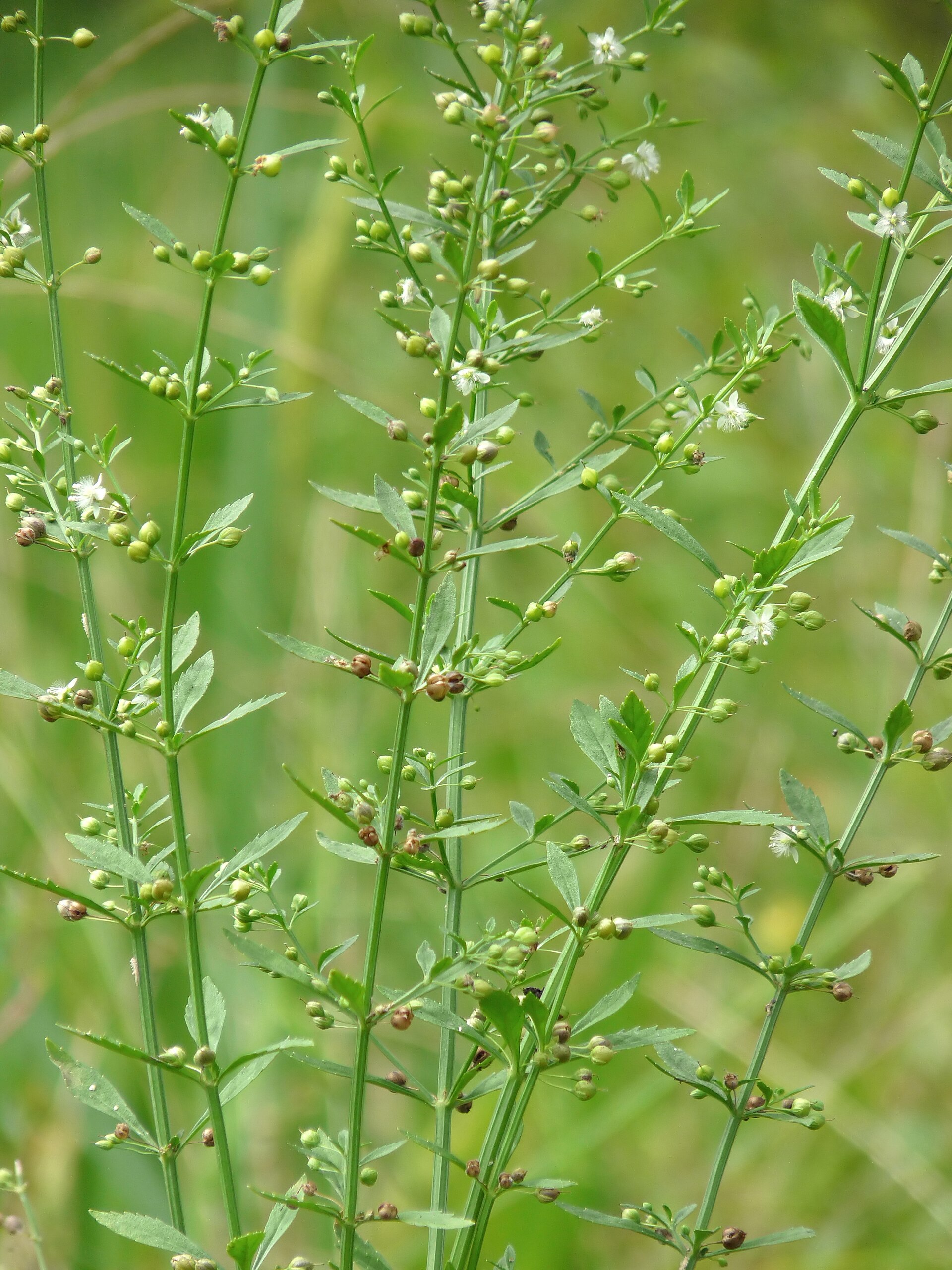
Walkoththamalli (Scoparia dulcis), known in English as Sweet Broomweed or Licorice Weed, is a small, erect, much-branched perennial herb belonging to the Plantaginaceae family. It is a very common weed found throughout Sri Lanka, often growing in open fields, along roadsides, and in home gardens. The plant features small, serrated leaves and tiny, delicate white flowers. Despite its status as a common weed, Walkoththamalli is a treasure trove of medicinal properties in traditional Ayurvedic and Hela Wedakama practices, primarily revered for its cooling effect on the body, its ability to regulate blood sugar, and its profound impact on the urinary system.
Key Medicinal Uses
1. Dissolving Kidney Stones (Urolithiasis)
In traditional Sri Lankan medicine, a decoction made from the entire Walkoththamalli plant (including the roots) is a highly prescribed remedy for dissolving kidney and bladder stones. It acts as a powerful diuretic, increasing urine flow and helping to flush out toxins, calcium oxalate crystals, and urinary tract infections (UTIs) safely and painlessly.
2. Managing Diabetes
Walkoththamalli has gained significant attention for its anti-diabetic properties. The plant contains a unique compound called "Amellin," which has been shown in studies to help lower blood glucose levels, improve insulin sensitivity, and prevent complications related to diabetes without causing hypoglycemia.
3. Treating Coughs and Respiratory Issues
The herb possesses excellent expectorant properties. The leaves and stems are often boiled into a tea to treat chronic coughs, bronchitis, and chest congestion. The tea helps loosen phlegm and soothe irritated airways, making breathing easier.
4. Soothing Fevers and Body Heat
Due to its cooling (Sheeta) properties, Walkoththamalli is traditionally used to bring down high fevers and reduce excessive body heat. A mild infusion of the leaves is given to children and adults suffering from viral fevers or heat stress.
5. Wound Healing and Skin Disorders
Externally, a paste made from crushed Walkoththamalli leaves is applied to minor cuts, burns, and skin eruptions. Its antimicrobial and anti-inflammatory properties prevent infection and accelerate the healing of skin tissues.
Preparation Methods
- For Kidney Stones: Wash a whole Walkoththamalli plant (including roots), chop it, and boil a handful in 4 cups of water until it reduces to 1 cup. Strain and drink daily until symptoms subside.
- Diabetic Tea: Dry the leaves in the shade and brew 1 teaspoon of the dried leaves in a cup of hot water. Drink this tea daily to help manage blood sugar levels.
- Cough Remedy: Boil fresh leaves with a small piece of crushed ginger and a pinch of black pepper to clear severe chest congestion.
Safety and Precautions
Walkoththamalli is generally considered safe for consumption in traditional dosages. However, because of its blood sugar-lowering effects, diabetic patients who are already on prescribed allopathic medications (like insulin or metformin) should monitor their blood sugar closely if consuming Walkoththamalli tea, as the combined effect could lead to abnormally low blood sugar (hypoglycemia). Pregnant and breastfeeding women should consult a physician before internal use.

Comments (0)
Leave a Comment