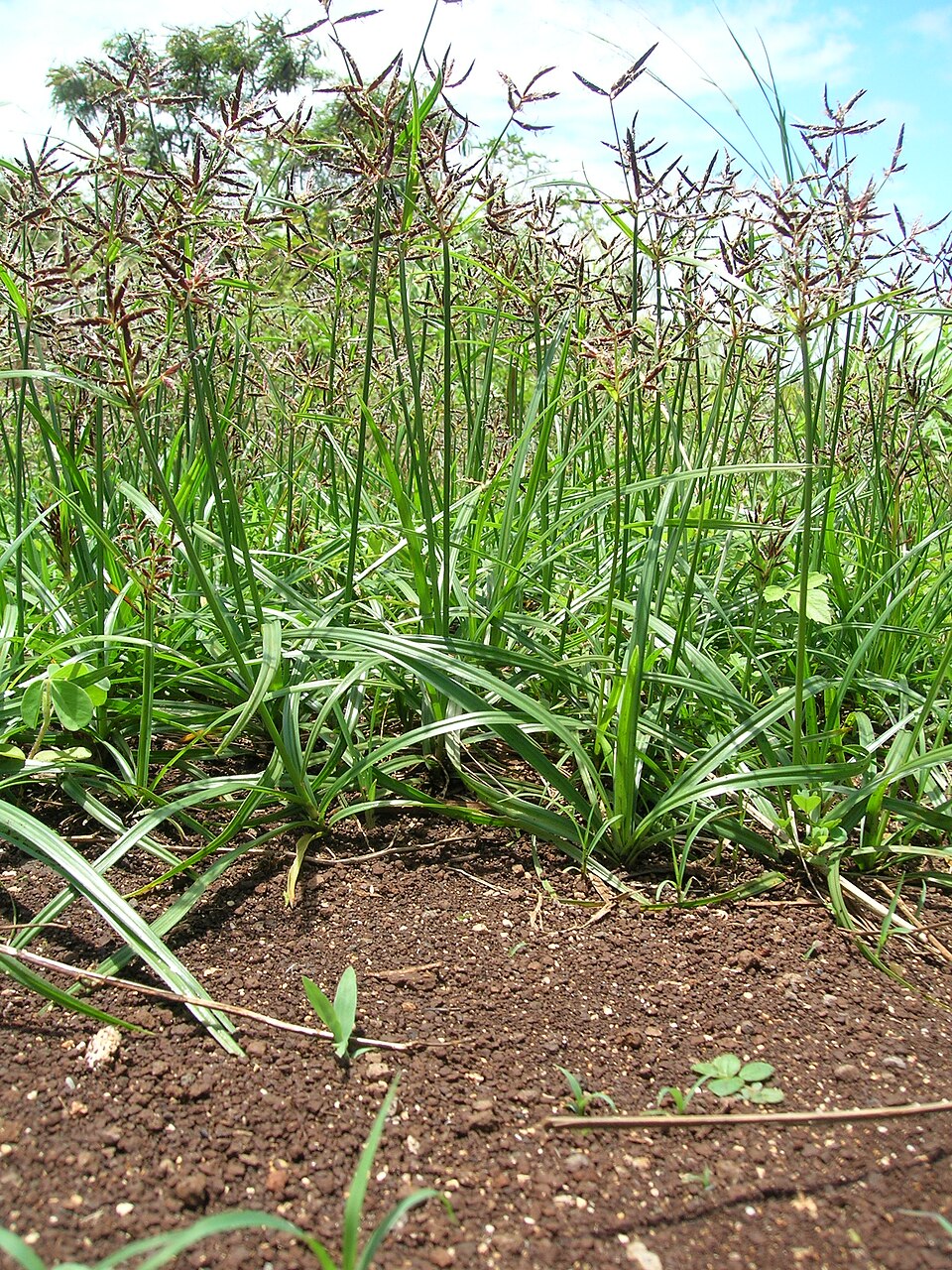
Botanical and Cultural Overview
Kalanduru (Cyperus rotundus), commonly known in English as Nut Grass or Purple Nutsedge, is a perennial sedge native to Africa, Southern and Central Europe, and Asia. In Sri Lanka, it is universally recognized as one of the most stubborn and invasive weeds, infesting agricultural lands, lawns, and gardens due to its robust underground network of rhizomes (tubers). However, beneath the soil lies an Ayurvedic treasure. Known as "Musta" in Sanskrit, the dark, aromatic, and highly bitter tubers of the Kalanduru plant have been a cornerstone of traditional medicine for millennia. It is classified as an exceptional herb for pacifying Kapha and Pitta doshas, making it invaluable for treating fevers and gastrointestinal distress.
Key Medicinal Uses
1. Digestive Disorders and Diarrhea
Kalanduru tubers are a powerful carminative and digestive stimulant. They are traditionally used to treat indigestion, loss of appetite, and severe stomach cramps. Furthermore, the strong astringent and antibacterial properties of the tuber make it a highly effective remedy for stopping chronic diarrhea and dysentery without causing bloating.
2. Managing Fevers (Antipyretic)
In Ayurvedic medicine, a decoction made from Kalanduru tubers is a primary treatment for fevers, especially those associated with gastrointestinal infections or malaria. It induces mild sweating (diaphoresis) and cools the body from within, rapidly bringing down elevated body temperatures.
3. Women's Health and Menstrual Regulation
Kalanduru acts as an emmenagogue, helping to stimulate and regulate menstrual flow. It is frequently prescribed to treat amenorrhea (absence of periods) and to relieve severe abdominal cramps and pain associated with menstruation (dysmenorrhea).
4. Skin Diseases and Pruritus (Itching)
The anti-inflammatory and antibacterial properties of the tubers are utilized in treating skin diseases. A paste made from grinding the tubers is applied externally to treat severe itching (pruritus), scabies, and fungal infections of the skin.
5. Obesity and Fat Metabolism
In Ayurvedic weight-management therapies, Kalanduru is used to enhance lipid metabolism. It helps scrape away excess fat deposits (Lekhana property) and reduces water retention, aiding in healthy and sustained weight loss.
Preparation Methods
- Decoction for Fever & Digestion: Clean and crush 1 tablespoon of Kalanduru tubers and boil them in 4 cups of water until reduced to 1 cup. Strain and drink in divided doses to relieve fever, indigestion, and diarrhea.
- Skin Paste: Grind dried Kalanduru tubers with a little water or rose water to form a smooth paste. Apply externally to itchy skin, rashes, or fungal infections.
- Weight Management: A fine powder of the dried tubers (Musta churna) is consumed with warm water and a little honey to boost fat metabolism (Under Ayurvedic guidance).
Safety and Precautions
Kalanduru is generally very safe and non-toxic. However, because of its astringent (drying) nature, individuals suffering from severe constipation should use it cautiously or combine it with a soothing herb. Pregnant women should avoid large medicinal doses of Kalanduru, as its emmenagogue properties can stimulate uterine contractions. Always ensure the tubers are thoroughly washed and cleaned of soil before use.

Comments (0)
Leave a Comment