Botanical and Cultural Overview
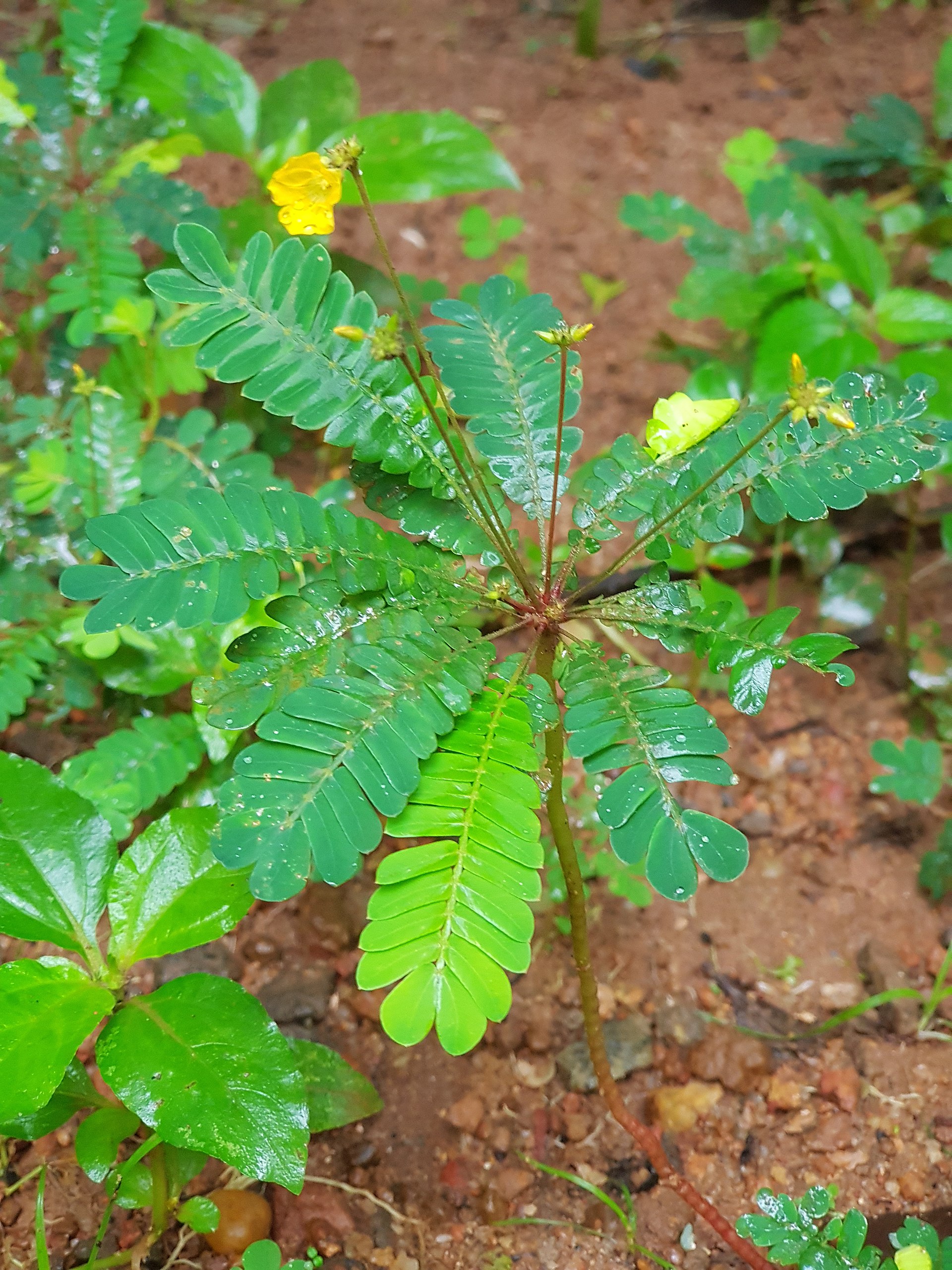
Heen Bopath (Biophytum sensitivum), commonly referred to in English as the Little Tree Plant, is an extremely fascinating and delicate annual herb belonging to the Oxalidaceae family. Native to wetlands and damp, shaded areas of Sri Lanka and India, the plant resembles a perfect, miniature palm tree, rarely growing taller than 20 centimeters. Like the famous sensitive plant (Nidikumba), Heen Bopath exhibits thigmonasty—its leaves fold rapidly downwards when touched or exposed to extreme heat. Its Sinhala name, "Heen Bopath," translates to "small Bo leaves," referring to the shape of its leaflets. Despite its fragile appearance, this tiny plant is an Ayurvedic powerhouse, renowned for its diverse therapeutic properties ranging from blood sugar regulation to immunomodulation.
Key Medicinal Uses
1. Blood Sugar Regulation (Anti-Diabetic)
Heen Bopath is highly celebrated in Ayurvedic practices as a powerful hypoglycemic agent. A decoction made from the entire plant (roots, stem, and leaves) is frequently prescribed to patients with Type 2 diabetes. The bioactive compounds in the plant stimulate the pancreas, enhance insulin secretion, and improve glucose tolerance in the body, helping to keep blood sugar levels stable.
2. Relief from Asthma and Tuberculosis
The plant possesses potent expectorant and anti-inflammatory properties, making it an excellent remedy for respiratory distress. The leaf extract is traditionally used to clear heavy mucus, relieve bronchospasms in asthma patients, and is even used as a supportive traditional treatment for chronic lung infections like tuberculosis.
3. Wound Healing and Skin Diseases
When crushed, the fresh leaves of Heen Bopath release a juice that is highly antiseptic and astringent. Applied as a poultice over fresh cuts, contusions, and bleeding wounds, it stops the bleeding instantly and accelerates tissue repair. It is also used to treat chronic skin conditions and localized fungal infections.
4. Treating Insomnia and Nervous Tension
In folk medicine, the cooling and mild sedative properties of the plant are utilized to calm the nervous system. A mild infusion of the plant is given to individuals suffering from severe stress, anxiety, or insomnia to promote restful sleep.
5. Snake Bite Antidote (Traditional First Aid)
In rural Sri Lankan traditional practices (Visha Wedakama), the crushed roots of Heen Bopath are applied to snake bites as an immediate first-aid measure to neutralize localized venom and reduce tissue necrosis before seeking advanced medical help.
Preparation Methods
- For Diabetes: Uproot a whole Heen Bopath plant, wash it thoroughly, and boil it in 3 cups of water until reduced to 1 cup. Drink this decoction early in the morning.
- Wound Poultice: Crush a handful of fresh leaves into a paste and apply directly to cuts and bruises to stop bleeding and prevent infection.
- Asthma Relief: Mix 1 teaspoon of the freshly extracted leaf juice with a little bee honey and consume twice a day to relieve chest congestion.
Safety and Precautions
Heen Bopath is generally safe when used in prescribed traditional amounts. However, due to its potent blood sugar-lowering capabilities, it must be used with extreme caution by individuals already taking allopathic anti-diabetic medications (like insulin), as it could cause hypoglycemia. The plant also contains trace amounts of oxalates, so individuals with a history of calcium oxalate kidney stones should avoid consuming large quantities of the decoction.

Comments (0)
Leave a Comment