Botanical and Cultural Overview
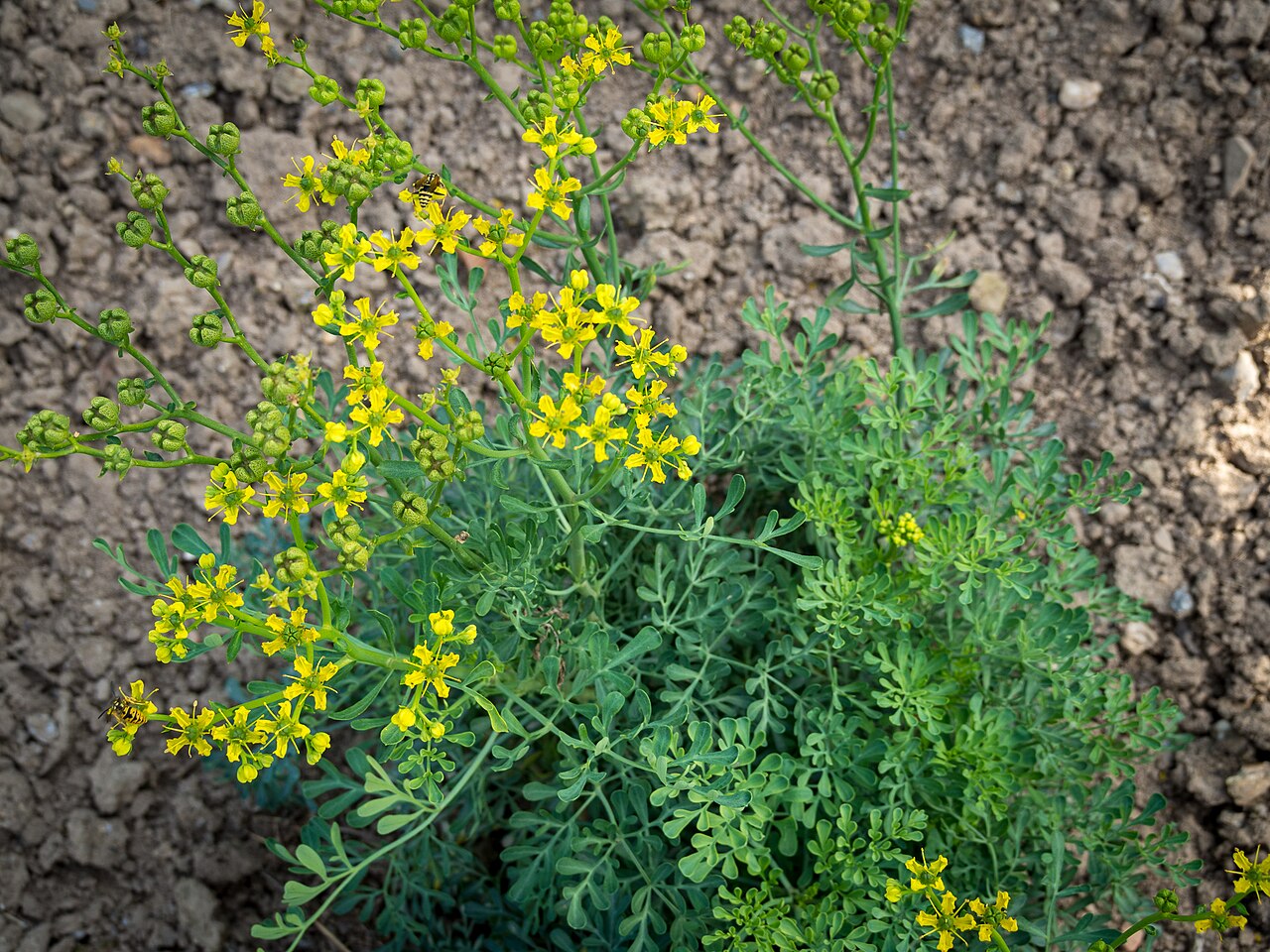
Aruda (Ruta graveolens), commonly known in English as Rue or Herb-of-Grace, is a strong-smelling, perennial evergreen shrub belonging to the Rutaceae family. Though native to the Balkan Peninsula, it has been cultivated in Sri Lanka for centuries, often grown in small pots or medicinal home gardens. The plant features bluish-green, deeply divided leaves and clusters of small yellow flowers. The essential oils in the leaves give it a distinct, pungent aroma and a highly bitter taste. In Sri Lankan traditional medicine, Aruda holds a special place in pediatric care (Kumara Wedakama), frequently used to treat ailments in infants and young children, as well as serving as a powerful antispasmodic for adults.
Key Medicinal Uses
1. Pediatric Care (Infant Ailments)
Aruda is deeply embedded in traditional Sri Lankan pediatric medicine. A very mild infusion or a few drops of the expressed juice of Aruda leaves are traditionally given to infants and toddlers to treat colic, griping pain, indigestion, and mild fevers. It is also believed to ward off "evil eye" (bad energy) when tied around a child's neck or wrist in a small pouch.
2. Relieving Digestive Spasms and Gas
The herb possesses strong carminative and antispasmodic properties. It helps relax the smooth muscles of the digestive tract, making it an excellent remedy for severe stomach cramps, flatulence, and irritable bowel syndrome (IBS).
3. Treating Respiratory Issues
Aruda acts as an effective expectorant. A decoction of the leaves is used to treat chronic coughs, asthma, and chest congestion, as it helps clear mucus from the airways and relaxes bronchial spasms.
4. Menstrual Regulation
In traditional practices, Aruda is known as an emmenagogue, meaning it stimulates blood flow in the pelvic area and uterus. It is sometimes used in controlled doses to treat amenorrhea (absence of menstruation) and to relieve painful menstrual cramps.
5. Earaches and Headaches
The warmed juice of Aruda leaves, sometimes infused in a carrier oil, is traditionally dropped into the ear to relieve severe earaches. When applied to the temples, the crushed leaves can help alleviate tension headaches.
Preparation Methods
- For Infant Colic: A single, clean Aruda leaf is crushed, and a tiny drop of the juice is mixed with breast milk or warm water and given to the infant to relieve stomach gas. (Must be done under guidance).
- For Digestive Cramps: Steep half a teaspoon of dried Aruda leaves in a cup of boiling water for 10 minutes. Strain and drink slowly to relieve stomach spasms and gas.
- Earache Relief: Lightly warm a few fresh leaves, crush them to extract the juice, and put 1-2 drops into the affected ear.
Safety and Precautions
Aruda is a potent herb and must be used with strict moderation. High doses are toxic and can cause severe gastric pain, vomiting, and liver damage. Pregnant women must strictly avoid Aruda, as its strong uterine-stimulating properties can cause miscarriage. Furthermore, the plant contains furanocoumarins, which can cause phytophotodermatitis—meaning touching the fresh plant and then exposing the skin to sunlight can result in severe blisters and burns. Always wash hands after handling fresh Aruda.

Comments (0)
Leave a Comment